
Being involved in a car accident can be stressful, especially when another driver appears to have caused the collision. Knowing what to do after a car accident not your fault can help you protect your safety, preserve important information, communicate effectively with insurers, and organize the next steps. The immediate priority is always safety, but what happens afterward can also affect how smoothly the insurance and repair process unfolds. From contacting emergency services and exchanging information to photographing the scene, notifying the appropriate insurer, arranging repairs, and keeping records of expenses, taking a methodical approach can make a difficult situation easier to manage.
What Should You Do Immediately After the Accident?
The first few minutes after a collision can be confusing, and it is easy to focus on vehicle damage before considering personal safety. Regardless of who appears responsible, the immediate priority should be checking whether anyone is injured and moving away from danger when it is safe and legally appropriate to do so. A calm, organized response can also help preserve important information about what happened. Avoid arguing with the other driver or making assumptions about fault at the scene. Instead, concentrate on safety, obtaining necessary assistance, and documenting the circumstances as accurately as possible.
Start with these basic steps:
- Check for injuries: Determine whether you, your passengers, the other driver, or anyone else involved needs medical attention.
- Call emergency services when necessary: Serious injuries, dangerous road conditions, significant collisions, or other emergencies may require immediate professional assistance.
- Move to a safe location when appropriate: If the vehicles can be moved safely and local rules allow it, getting away from active traffic can reduce the risk of another collision.
- Turn on hazard lights: This can alert approaching drivers that there has been an incident.
- Avoid confrontation: Keep conversations with the other driver focused on exchanging necessary information rather than debating responsibility.
- Follow instructions from authorities: If police or emergency personnel arrive, cooperate with their directions and provide factual information about what occurred.
Even if an accident initially appears minor, some injuries or vehicle problems may not be immediately obvious. If you feel unwell after the collision, seeking appropriate medical attention is important.
What Information Should You Exchange With the Other Driver?
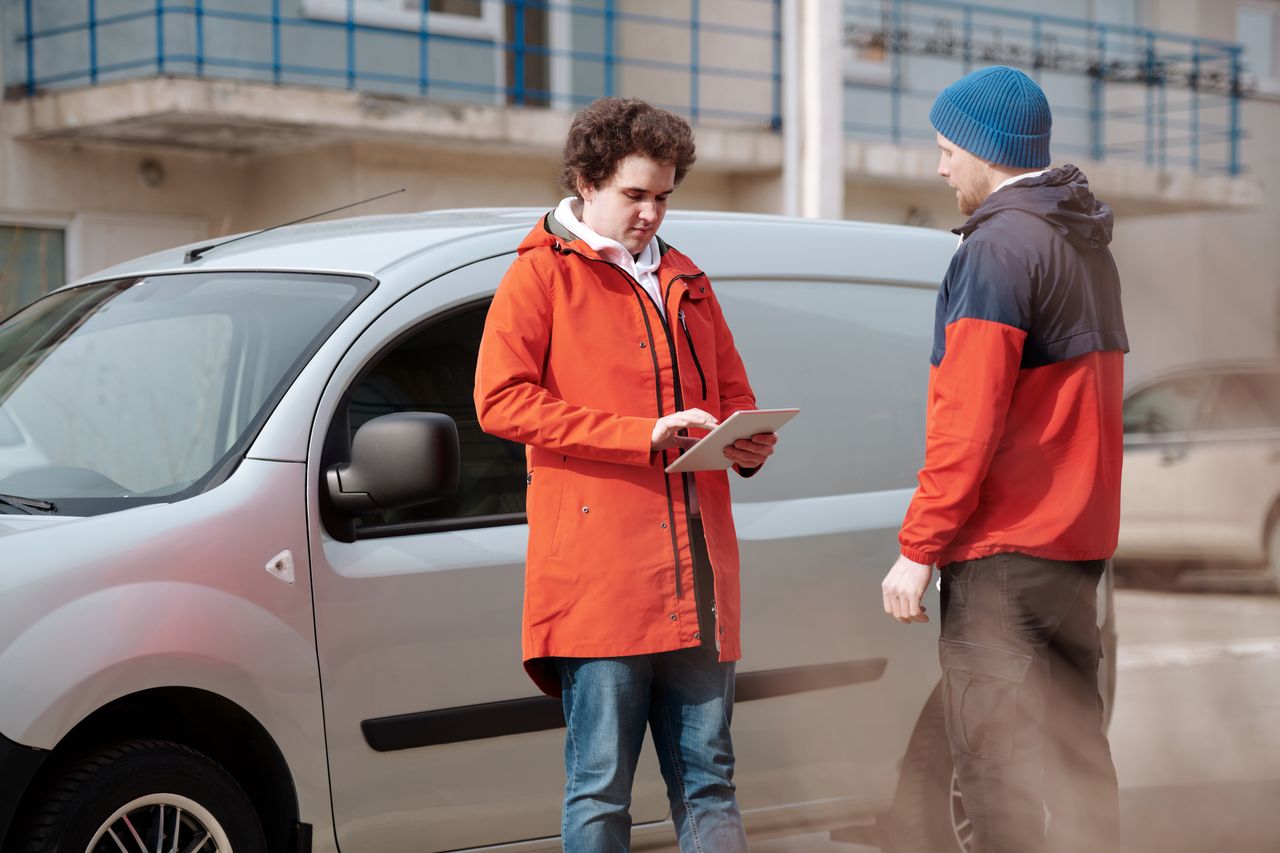
Once everyone is safe, gathering accurate information from the other driver becomes an important part of the accident record. A driver’s account of the incident may change later, while basic identifying and insurance information provides a practical starting point for communicating about the claim. Keep the interaction factual and avoid making statements such as accepting blame or agreeing to a particular interpretation of the collision before the circumstances have been properly reviewed. If the other driver is cooperative, exchange information calmly. If the situation becomes confrontational, prioritize safety and allow authorities to handle the matter.
Useful information may include:
- Full name and contact information
- Driver’s license information
- Insurance company and policy information
- Vehicle make, model, year, and color
- License plate number
- Vehicle identification number when available and appropriate
- Names and contact information of passengers or witnesses
- Police or incident report information, when applicable
It is also useful to record the approximate time and location of the collision. If the road has a recognizable intersection, highway marker, business, landmark, or other identifying feature, note that information.
Do not rely solely on memory. Write down details or use your phone to store information while the events are still fresh. If there are witnesses, ask whether they are willing to provide contact information. Their observations may become useful if accounts of the accident later differ.
How Should You Document the Accident Scene?
Thorough documentation can provide a visual record of the accident that may be useful when discussing the incident with an insurer, repair facility, or other relevant party. Photographs should be taken when it is safe to do so and should show more than just the most obvious dent or broken component. A combination of wide-angle photographs and detailed close-ups can provide context about how the collision occurred and the extent of visible damage. The surrounding environment can also matter, particularly when road conditions, traffic signals, lane markings, debris, or vehicle positions are relevant.
Consider documenting:
- All sides of your vehicle: Take photographs from several angles rather than concentrating on one damaged area.
- Close-ups of visible damage: Capture dents, scratches, broken lights, damaged panels, cracked glass, and other affected components.
- The other vehicle: When appropriate and safe, document its visible damage as well.
- The accident scene: Photograph road markings, intersections, traffic signals, signs, barriers, and relevant surroundings.
- Vehicle positions: If the vehicles remain in their original positions and it is safe to photograph them, capture their relationship to one another.
- Debris and physical evidence: Road debris or damaged objects may provide useful context.
- Weather and road conditions: When relevant, document conditions that may have contributed to the incident.
If you are wondering how to document car accident damage, think beyond taking a single photograph of the damaged bumper. A complete record should provide context as well as detail.
Your phone may automatically store timestamps and location information with photographs, but do not assume every piece of metadata will remain available after files are transferred or edited. Keep the original photographs whenever possible and avoid heavily editing them.
What Should You Tell the Insurance Company?
After the immediate situation is under control, notifying the appropriate insurance company is an important next step. Even when another driver appears responsible, the process for reporting the accident can depend on the circumstances, the applicable insurance policies, and local requirements. Provide factual information about what happened rather than speculating about matters you did not personally observe. The insurer may ask for photographs, contact information, police documentation, vehicle information, and an explanation of the circumstances.
When communicating with an insurer:
- Be factual: Explain what you observed without exaggerating or guessing.
- Provide documentation: Share relevant photographs, videos, reports, and other requested records.
- Describe injuries accurately: If you are experiencing symptoms, communicate them rather than assuming they will disappear.
- Ask for claim information: Keep the claim number and contact details for the relevant representative.
- Keep records of communication: Note dates, names, and important information discussed during calls.
- Ask about next steps: Understand what documentation or inspections may be required.
Avoid assuming that the other driver’s insurer will automatically resolve every expense. Insurance claims can involve questions about coverage, responsibility, deductibles, repair estimates, limits, and other policy provisions.
Your own insurer may also have reporting requirements even when you believe the other driver caused the accident. Review your policy and follow the applicable instructions.
How Does the Insurance Claim Process Usually Work?
Once a claim has been reported, the insurer may begin reviewing the circumstances and assessing the damage. The exact process can differ depending on the insurers involved, the location of the accident, the type of coverage, and the severity of the loss. A claims representative or adjuster may request photographs, inspect the vehicle, review reports, and compare the damage with the circumstances described. The initial estimate may also change if additional damage is discovered during inspection or disassembly.
Several stages may be involved:
- Claim notification: The accident is reported and a claim is opened.
- Information gathering: The insurer collects photographs, reports, statements, estimates, and other relevant documentation.
- Damage assessment: The vehicle is inspected or evaluated to determine the apparent extent of damage.
- Repair estimate: The insurer and repair facility may assess the cost of restoring the vehicle.
- Additional damage assessment: Hidden problems discovered during repairs may require further review.
- Settlement or repair authorization: Depending on the claim, applicable coverage, and circumstances, the process may lead toward repairs or another form of resolution.
A repair estimate is not necessarily the final cost. Modern vehicles contain interconnected mechanical, electrical, structural, and electronic components, meaning additional damage may become apparent after work begins.
For this reason, keep copies of estimates and ask questions if the repair facility discovers damage that was not visible during the initial inspection.
What If the Other Driver Does Not Have Insurance?
An accident involving an uninsured or underinsured driver can create additional complications. The options available to an injured driver can depend on the insurance coverage they carry, the circumstances of the collision, and applicable local laws. Some policies include uninsured or underinsured motorist coverage, while others may not provide the same protections. Drivers should review their policy rather than assuming that another driver’s lack of insurance automatically leaves them without options.
If the other driver cannot provide valid insurance information:
- Record the information they are able to provide.
- Notify law enforcement when appropriate.
- Document the vehicle and accident scene if it is safe.
- Notify your insurer according to your policy requirements.
- Keep copies of any police or incident documentation.
- Ask your insurer which coverage may apply to the situation.
Do not attempt to resolve a serious uninsured-driver dispute privately by relying solely on verbal promises. A written record of the accident and appropriate communication with insurers can be much more useful if questions arise later.
What Expenses Should You Keep Track Of?
An accident can create expenses that go beyond the visible repair bill. Towing, storage, transportation, rental vehicles, medical treatment, and other costs may arise depending on the circumstances. Whether any particular expense is covered or reimbursable depends on the applicable insurance policy, the circumstances of the claim, and potentially other sources of compensation. Keeping organized records does not guarantee reimbursement, but it makes it easier to establish what you spent and why.
Create a dedicated accident folder containing:
- Repair estimates and invoices
- Towing and roadside assistance receipts
- Rental-car or alternative transportation records
- Medical bills and related documentation
- Police or incident reports
- Insurance correspondence
- Photographs and videos
- Notes about important conversations
- Receipts for other accident-related expenses
Record the date, amount, and purpose of each expense. Digital copies can be useful, but retaining original documents where appropriate provides an additional layer of organization.
If a repair shop discovers additional damage, ask for a revised estimate or supporting documentation. This can help you understand why the repair cost changed and provide a clearer record for insurance discussions.
Can You Choose Your Own Repair Shop?
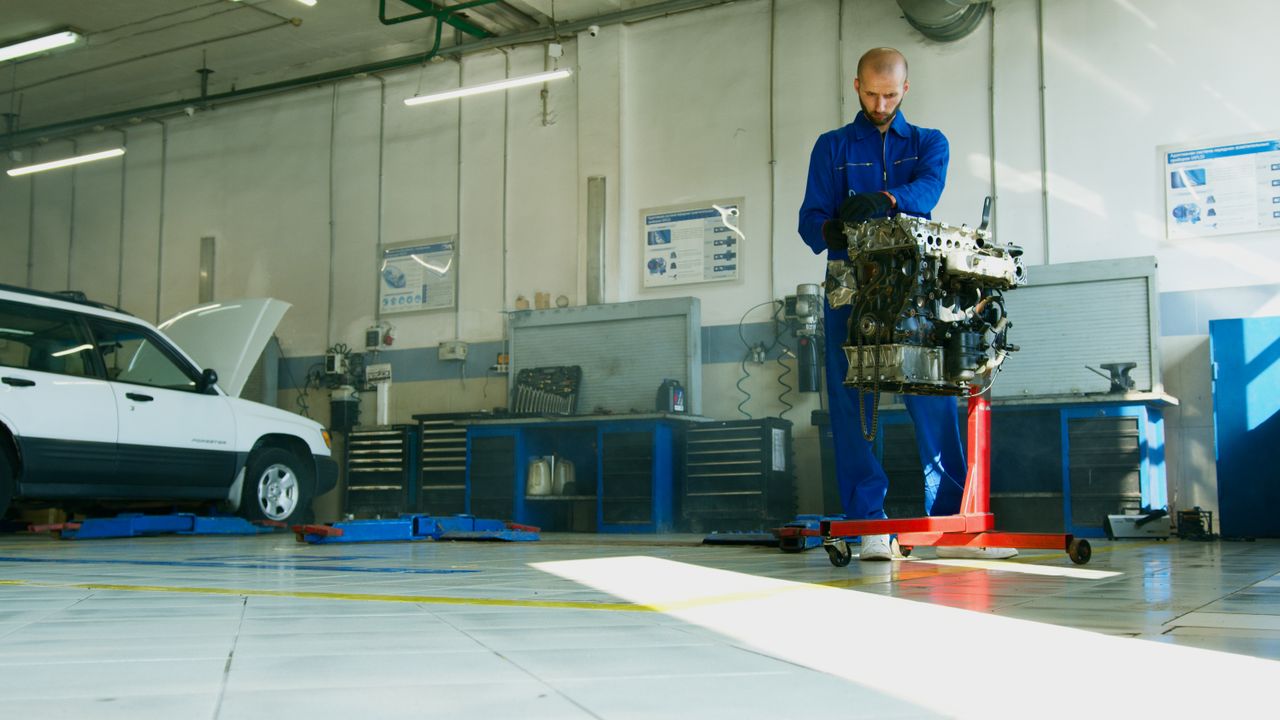
The answer can depend on the insurance policy, applicable rules, and circumstances of the claim. Drivers may be given recommendations for repair facilities that work with an insurer, but the process for selecting a repair facility varies. Before authorizing work, understand what the insurer has approved and what portion of the bill may remain your responsibility.
When evaluating a repair facility, consider:
- Experience repairing your vehicle type
- Ability to explain the proposed repairs
- Written estimates
- Warranty information
- Communication with the insurance company
- Availability of replacement parts
- Procedures for identifying additional damage
Do not assume that an insurer’s estimate and a repair shop’s estimate will always be identical. Differences can arise because a shop identifies additional damage, uses different repair procedures, or discovers problems that were not visible during the initial inspection.
Ask the repair facility to explain significant differences before approving additional work.
What Should You Do If You Disagree With the Insurance Decision?
Not every claim proceeds exactly as the vehicle owner expects. An insurer may dispute whether certain damage resulted from the accident, question the extent of repairs, or determine that a particular expense falls outside the applicable coverage. If you disagree with a decision, start by asking for a clear explanation of the determination and the policy provision supporting it. Understanding the reason for the decision can help you determine what documentation or clarification may be relevant.
If there is a disagreement:
- Ask for the decision in writing: Written explanations can make the issue easier to understand.
- Review the policy: Look at the relevant coverage, exclusions, limits, and conditions.
- Provide supporting documentation: Photographs, estimates, reports, and other records may help clarify disputed issues.
- Ask specific questions: Determine exactly which part of the claim is being disputed.
- Keep communication records: Save emails, letters, estimates, and notes from conversations.
- Consider appropriate professional or regulatory assistance: Depending on the dispute and jurisdiction, an insurance professional, attorney, or applicable insurance regulator may be able to explain available options.
Avoid assuming that a disagreement means the entire claim has failed. Sometimes only a particular repair, expense, or valuation issue is being disputed.
What Mistakes Should You Avoid After an Accident?
After an accident, people often make mistakes because they are stressed, surprised, or eager to resolve the situation quickly. Some errors involve failing to collect information, while others involve making assumptions about responsibility or agreeing to repairs without understanding the costs. A careful approach can help preserve useful evidence and reduce avoidable confusion. The goal is not to turn the accident scene into an investigation but to create a clear factual record while prioritizing safety and following applicable requirements.
Try to avoid:
- Arguing about fault at the scene: Keep the interaction factual and allow the appropriate authorities and insurers to assess responsibility.
- Leaving without exchanging information: Follow applicable requirements for reporting and information exchange.
- Taking too few photographs: Capture the broader scene as well as individual areas of damage.
- Discarding receipts: Accident-related expenses should be documented and organized.
- Repairing the vehicle before necessary documentation: When possible, understand the insurer’s inspection or documentation requirements first.
- Guessing about hidden damage: Let qualified professionals evaluate mechanical, structural, and electronic concerns.
- Ignoring symptoms: Some injuries may not be immediately apparent.
- Accepting assumptions about coverage: Review the actual policy and ask the insurer about specific expenses.
A methodical response can be especially valuable when the other driver’s account differs from yours. Good documentation gives you a factual record rather than requiring you to rely on memory.
How Can You Make the Process Easier?
The aftermath of an accident can involve multiple conversations, documents, appointments, estimates, and decisions. Organization can make the process considerably easier. Instead of keeping photographs, receipts, claim information, and notes in different places, create one dedicated record for the incident. This gives you a central reference whenever an insurer, repair facility, or other relevant party asks for information.
A simple accident file can include:
- Date, time, and location of the collision
- Contact and insurance information for involved drivers
- Witness details
- Police or incident report information
- Photographs and videos
- Claim number and insurer contact details
- Repair estimates
- Towing and rental records
- Medical documentation when applicable
- Notes from important conversations
Review the file periodically and add new information as the claim progresses. If an insurer requests a document you have already provided, you can refer back to your records and resend it if necessary.
The process may take time, particularly when repairs involve hidden damage or parts availability. Staying organized can help you track what has already been completed and what still needs attention.
Final Thoughts
Knowing what to do after a car accident not your fault can help you approach a stressful situation with greater organization and clarity. Prioritize safety, obtain appropriate assistance, exchange necessary information, document the accident thoroughly, notify the relevant insurers, and keep records of repairs and expenses. Avoid making assumptions about coverage or responsibility, and ask questions whenever an insurer or repair facility provides information you do not understand. The details of every accident and insurance policy are different, so the appropriate next steps can vary. A careful factual record, consistent communication, and organized documentation can help you navigate the process from the accident scene through insurance evaluation and vehicle repairs.
