Drivers rely on a wide range of auto services throughout the life of a vehicle, starting long before the first mile is driven and continuing through years of ownership. From initial decisions to routine upkeep, each stage plays a role in how a vehicle performs, how safe it remains, and how long it stays on the road. Understanding how these services connect helps drivers make informed choices rather than reacting only when problems arise.
Auto care is most effective when it follows a clear progression. Purchase decisions influence maintenance needs, regular care helps prevent major repairs, and specialized services support long-term reliability. When drivers recognize how these services work together, they are better equipped to protect their investment and avoid unnecessary downtime. This full-cycle approach supports consistent performance and smoother ownership over time.
Beyond convenience, this connected approach helps drivers manage costs more predictably. Vehicles that receive consistent attention often experience fewer emergency repairs and more stable operating expenses. Planning ahead also allows owners to prioritize services based on usage patterns, driving conditions, and long-term goals. This reduces guesswork and helps align care with real-world needs.
As vehicles become more advanced, the range of services involved in ownership continues to grow. Technology, safety features, and specialized materials all add layers to modern auto care. Understanding how services fit together from the beginning helps drivers stay proactive rather than overwhelmed, supporting confidence throughout the ownership journey.

Vehicle Purchasing and Ownership Decisions
The first step in a vehicle’s lifecycle begins with choosing the right option based on lifestyle, usage, and budget. Purchasing decisions affect everything from maintenance frequency to repair complexity later on. Factors such as vehicle age, mileage, and intended use all influence what type of care the vehicle will require over time. Thoughtful planning at this stage can reduce future costs and unexpected issues.
Car sales play a central role in shaping ownership experiences by determining which vehicles enter a driver’s daily routine. New and used purchases come with different expectations for service intervals, warranty coverage, and long-term upkeep. Understanding these differences helps drivers align ownership decisions with realistic maintenance and repair needs rather than assumptions.
Ownership decisions also involve evaluating how a vehicle will be used day to day. Commuting, towing, off-road use, or long-distance travel each place different demands on a vehicle. Selecting a vehicle that matches those demands can reduce strain on key systems and simplify future care. This alignment helps avoid unnecessary wear and early repairs.
In addition, long-term ownership considerations such as resale value and service availability matter at the purchase stage. Vehicles with readily available parts and service options tend to be easier to maintain over time. Making informed choices early supports smoother ownership and fewer surprises as the vehicle ages.
Routine Maintenance and Preventive Care
Routine maintenance is the foundation of reliable vehicle ownership. Regular inspections, fluid changes, and system checks help keep vehicles running smoothly while identifying small issues before they escalate. Preventive care supports efficiency, safety, and consistency, making it easier to plan for upkeep rather than reacting to breakdowns.
Mechanics support this stage by performing scheduled maintenance tasks and monitoring wear over time. Their role often includes spotting early warning signs related to brakes, suspension, or engine performance. When routine care is handled consistently, vehicles tend to last longer and experience fewer major disruptions, supporting dependable use across years of driving.
Preventive maintenance also contributes to better fuel efficiency and smoother operation. Clean filters, properly inflated tires, and well-maintained fluids help systems work as intended. These small steps often deliver noticeable improvements in performance and responsiveness, reinforcing the value of routine care.
Over time, consistent maintenance creates a service history that benefits owners in multiple ways. It supports warranty requirements, simplifies diagnostics, and can improve resale appeal. By treating maintenance as an ongoing process rather than an occasional task, drivers build a stronger foundation for long-term vehicle reliability.
Diagnosing and Resolving Mechanical Issues
As vehicles age and accumulate mileage, mechanical issues become an expected part of ownership. Warning lights, unusual noises, or changes in performance often signal underlying problems that need attention. Addressing these concerns promptly helps prevent additional damage and supports continued reliability. Accurate diagnosis is especially important, as symptoms can sometimes point to multiple possible causes.
Auto repair focuses on identifying the source of mechanical problems and restoring proper function. This process may involve evaluating engine components, transmission systems, or electronic controls depending on the issue. When repairs are handled methodically, vehicles are more likely to return to consistent performance rather than experiencing recurring problems. Clear diagnosis and targeted repairs help drivers regain confidence in how their vehicle operates day to day.
Beyond fixing immediate issues, thorough diagnostics can reveal patterns that indicate future concerns. Identifying wear trends allows owners to plan upcoming service rather than being caught off guard by sudden failures. This proactive approach can extend the lifespan of major components and reduce overall operating costs.
Clear communication also plays an important role during this stage. Understanding what caused the issue and how it was resolved helps drivers make better decisions moving forward. When problems are addressed with care and precision, vehicles tend to remain dependable even as they accumulate years of use.

Repairing Damage From Accidents and Wear
Over time, vehicles are exposed to conditions that can affect their exterior condition. Minor collisions, road debris, weather exposure, and everyday wear all contribute to cosmetic and structural damage. While some issues may seem purely visual, exterior damage can also affect safety, aerodynamics, and long-term durability if left unaddressed.
Auto body shops address these concerns by restoring damaged panels, frames, and finishes. Their work often includes repairing dents, replacing damaged components, and refinishing surfaces to protect against corrosion. Proper body repairs help maintain the vehicle’s structure and appearance while supporting safe operation. Addressing damage early can prevent small issues from becoming more extensive over time.
Body repair also plays a role in preserving resale value. Vehicles with well-maintained exteriors tend to leave stronger impressions and signal responsible ownership. Even minor imperfections can influence how a vehicle is perceived during resale or trade-in evaluations.
In addition, modern vehicles often rely on exterior components to support safety systems such as sensors and cameras. Restoring damaged areas correctly helps keep these systems functioning as intended. Quality repair work supports both visual appeal and the underlying systems that contribute to safe driving.
Replacing and Upgrading Vehicle Glass
Vehicle glass plays a critical role in visibility, safety, and structural support. Windshields and windows protect occupants from debris while contributing to the overall rigidity of the vehicle. Cracks, chips, or compromised glass can reduce visibility and weaken these protective functions, making timely replacement important.
In certain applications, blast resistant glass may be used to provide enhanced protection and durability. This type of glass is designed to withstand greater impact forces, offering additional security in specialized situations. Upgrading or replacing vehicle glass with the appropriate materials helps maintain safety standards while supporting long-term performance and peace of mind.
Glass replacement also affects driving comfort. Properly installed glass reduces wind noise, prevents leaks, and supports climate control efficiency. These factors influence how comfortable the vehicle feels during daily use, especially on longer drives.
Addressing glass issues early can also prevent further damage. Small chips can expand into larger cracks due to temperature changes or vibration. Prompt attention helps avoid more extensive replacements and supports continued safe operation.
Enhancing Comfort and Vehicle Appearance
Comfort and appearance play an important role in how drivers experience their vehicles on a daily basis. Interior temperature control, glare reduction, and visual appeal all influence driving satisfaction. Small upgrades can make a noticeable difference in how a vehicle feels, especially during long commutes or in extreme weather conditions. Improvements in this area often focus on balancing function with aesthetics.
Car window tinting supports these goals by helping regulate interior temperatures and reduce sun glare. Tinting can also protect interior surfaces from fading caused by prolonged sun exposure. When applied correctly, it enhances comfort without interfering with visibility, making it a practical option for drivers looking to improve both appearance and everyday usability.

Supporting Commercial and Industrial Fleets
Commercial and industrial vehicles operate under different demands than personal vehicles. These fleets often run longer hours, carry heavier loads, and must remain operational to support business needs. Reliability, efficiency, and coordinated service planning are critical to minimizing downtime and maintaining productivity across operations.
Manufacturing Equipment plays a role in supporting these fleets by contributing to how vehicles are built, maintained, and repaired. From specialized tools to production systems, this equipment supports consistent standards across commercial vehicle servicing. Proper integration of industrial resources helps fleets stay operational while meeting performance and safety expectations. Consistent access to the right equipment also supports faster turnaround times and more predictable maintenance schedules.
Applying Specialized Materials and Treatments
Some automotive applications require materials that go beyond standard repair solutions. These treatments are often used in environments where durability, resistance, and performance are essential. Specialized materials help address challenges related to heat, pressure, vibration, or exposure to harsh conditions.
Metal casting sealant is one such material used to support durability in specific components. It can help seal imperfections or reinforce areas exposed to stress, supporting long-term performance. Applying these treatments correctly helps extend component life and reduces the likelihood of repeated repairs, especially in demanding operating conditions.
Responding to Breakdowns and On-Site Repairs
Unexpected breakdowns can disrupt schedules, delay deliveries, and create safety concerns, especially when vehicles are operating away from repair facilities. When issues occur on the road, timely response becomes critical to minimizing downtime and preventing further damage. On-site repair services help restore functionality without requiring towing or extended delays, which is particularly valuable for time-sensitive operations.
Local mobile truck repairs address these situations by bringing diagnostic tools and repair capabilities directly to the vehicle’s location. This approach allows certain mechanical or system issues to be resolved quickly, helping drivers return to operation sooner. Mobile services are especially useful for commercial vehicles that cannot easily be transported, supporting continuity and reducing the impact of unexpected interruptions.
Beyond speed, on-site response also improves safety and logistics. Vehicles stranded in high-traffic areas or remote locations present risks to drivers and surrounding traffic. Prompt attention reduces exposure to hazardous conditions and helps secure the vehicle before additional complications arise. This is particularly important for larger vehicles that require specialized handling.
On-site repairs also support better decision-making during breakdowns. Technicians can assess whether an issue can be resolved immediately or if further service is needed, helping drivers and fleet managers plan next steps more effectively. By addressing problems where they occur, on-site repair services reduce uncertainty, limit operational disruptions, and help keep vehicles moving with minimal interruption.
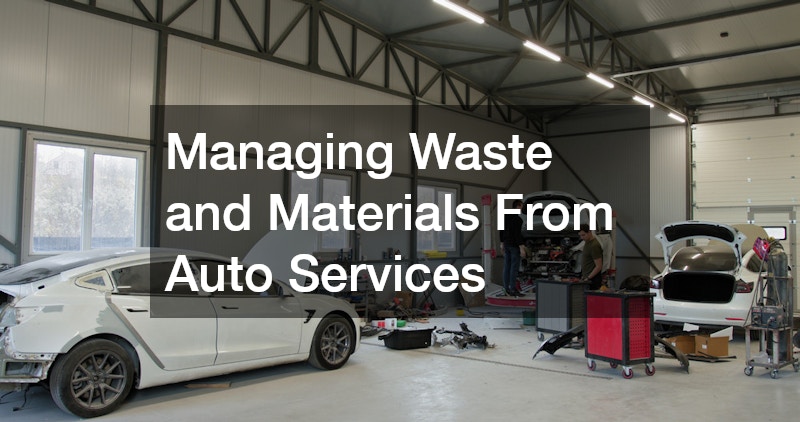
Managing Waste and Materials From Auto Services
Vehicle maintenance and repair generate materials that require responsible handling, including solvents, coatings, and cleaning agents. Proper management of these materials supports environmental protection while also aligning with safety and compliance standards. Handling waste correctly helps reduce contamination risks and promotes more sustainable service practices.
A paint thinner recycler supports this process by allowing solvents to be reused rather than discarded after a single use. Recycling reduces waste volume and helps manage hazardous materials more effectively. When waste handling is integrated into auto service operations, it supports cleaner work environments and responsible long-term practices.
Auto services support every phase of vehicle ownership, from the moment a purchase is made through years of use and maintenance. Each service plays a role in performance, safety, and reliability, whether addressing routine care, mechanical issues, or unexpected challenges. Understanding how these services connect helps drivers take a more proactive approach to vehicle care rather than reacting only when problems arise.
By viewing auto services as part of a continuous lifecycle, drivers and operators can make informed decisions that reduce downtime and extend vehicle longevity. From preventive maintenance to specialized solutions, each step contributes to smoother ownership and more dependable operation. When services are approached with planning and consistency, vehicles are better equipped to meet everyday demands and long-term expectations.
