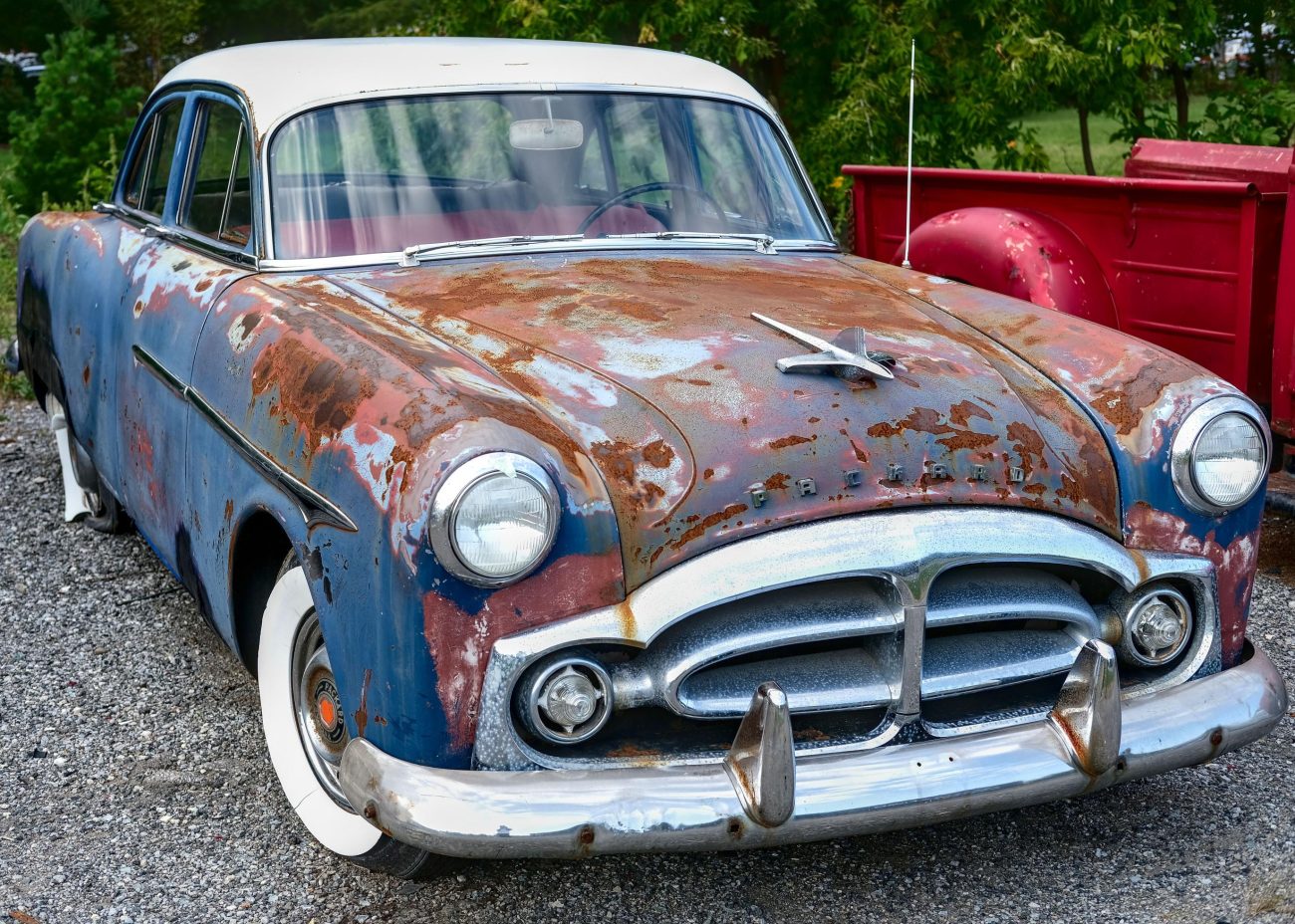
Owning a classic car is a little like adopting a piece of history. Every curve, chrome accent, and worn leather seat tells a story, and your job as the owner is to keep that story going for the next generation. But history has an enemy, and that enemy is rust. It sneaks in quietly, often where you can’t see it, and once it takes hold it can turn a beautiful restoration project into a heartbreaking pile of flaking metal.
If you are new to the vintage car world, the idea of storing a vehicle for months at a time can feel intimidating. What do you cover it with? Where do you park it? Does it need to be started every week, or is that a myth? These are the questions every first-time classic owner wrestles with, and the good news is that the answers are not complicated once you understand the basics.
This guide is written for someone who knows nothing about long-term car storage. We will start from the ground up, explaining what rust actually is, why your beloved cruiser is especially vulnerable to it, and what simple steps you can take during the off-season to keep oxidation from ever getting a foothold. By the end, you will have a clear game plan for tucking your car away safely until the roads warm up again.
What Rust Actually Is And Why It Loves Old Cars
Rust is the common name for iron oxide, a reddish-brown crust that forms when iron, oxygen, and water get together for an extended chemical party. In technical terms, it is an electrochemical reaction, but you do not need a chemistry degree to understand the basic idea. Metal plus moisture plus air equals corrosion. The more time those three ingredients spend together, the worse the damage gets.
Classic cars are particularly at risk for a few reasons. The steel used in vehicles from the 1950s, 60s, and 70s is often thicker but far less protected than modern alloys. Factory primers back then were not as advanced, body panels frequently had hidden seams where moisture could pool, and undercarriages rarely received the kind of protective coatings we take for granted today. According to the U.S. Department of Transportation, corrosion costs vehicle owners roughly $23.4 billion each year, and a disproportionate share of that pain lands on older vehicles.
There is another factor that catches new owners off guard. Even a car that looks pristine on the outside can be hiding decades of moisture damage in rocker panels, trunk floors, or behind door cards. Storage is not just about preventing new rust, it is also about not accelerating the slow damage that may already be happening quietly underneath.
Picking The Right Spot To Park Your Car

Where you store your classic matters more than almost any other decision you will make. The ideal environment is dry, temperature-stable, and well-ventilated. A climate-controlled garage is the gold standard, but not everyone has access to one, and there are workable alternatives if you understand what you are trying to achieve.
The enemy here is not cold, it is temperature swings. When the air inside a garage warms up during the day and cools overnight, condensation forms on every cold metal surface, including your car’s body panels, engine block, and chassis. That daily dose of moisture is exactly what rust needs to thrive. A space that stays at a steady temperature, even a cool one, is far better than a heated space that fluctuates wildly.
What To Look For In A Storage Space
When evaluating a potential storage spot, keep these qualities in mind:
- A concrete or sealed floor rather than bare dirt, which releases moisture constantly
- Good airflow or a dehumidifier to keep relative humidity below about 50 percent
- Protection from direct sunlight, which fades paint and dries out rubber seals
- A roof and walls free of leaks, bird nests, or rodent entry points
- Enough room to walk around the entire car for inspections
If a dedicated garage is out of reach, a quality carport combined with a breathable car cover and a portable dehumidifier can get you surprisingly close to ideal conditions. Avoid cheap plastic tarps at all costs, since they trap moisture against the paint and create the exact microclimate rust loves.
Prepping The Body And Paint Before Storage
Before you tuck your car away, you need to give it a proper sendoff. A dirty car going into storage is a corroding car coming out of storage. Dust holds moisture, bird droppings eat through clear coat, and road salt residue can quietly destroy a floor pan over a single winter.
Start with a thorough hand wash, paying extra attention to wheel wells, the undercarriage, and any seams where grime loves to hide. Dry the car completely with microfiber towels and, if possible, let it sit in the sun for a few hours to drive out any lingering water. Once it is bone dry, apply a high-quality carnauba wax or a synthetic sealant. This layer acts as a sacrificial barrier between your paint and the atmosphere.
Protecting The Metal Underneath
Paint is only the first line of defense. According to PPG, one of the biggest names in automotive finishes, modern electrocoat technologies hold up remarkably well against salt exposure, humidity, and repeated corrosion cycles. Most classics never received these coatings from the factory, which is why aftermarket rust inhibitors are so valuable. Products like lanolin-based sprays or wax-based undercoatings can be applied inside door cavities, frame rails, and rocker panels to shut out moisture where you cannot easily reach with a towel. If you are learning how to restore a classic car from the ground up, understanding these hidden corrosion zones early will save you thousands in bodywork later.
Fluids, Engine, And Mechanical Care For The Off-Season
Rust is not just a body panel issue. The inside of your engine, fuel tank, and brake lines can corrode just as badly as the fenders, and the damage there is often invisible until something fails. Proper off-season Maintenance means thinking about every fluid in the car and what happens to it when the vehicle sits still for months.
Fresh oil is critical before storage because used oil contains acidic combustion byproducts that will slowly eat at bearings and cylinder walls. Change it, run the engine for about ten minutes to circulate the new oil, and then shut it down. Top off the coolant with the correct mixture to prevent freezing and internal corrosion, and consider adding a fuel stabilizer to a nearly full tank to minimize the air space where condensation can form.
Here is a quick checklist of fluid and mechanical tasks to handle before the car goes to sleep:
- Change the oil and filter with fresh, high-quality products
- Fill the fuel tank and add a stabilizer rated for your storage duration
- Check coolant strength and top off the brake and clutch reservoirs
- Inflate tires slightly above normal pressure to prevent flat spots
- Disconnect the battery or attach a smart trickle charger
- Place steel wool or dryer sheets near air intakes to deter rodents
How Should You Handle Routine Upkeep During The Downtime?
Storage is not a set-it-and-forget-it situation. Even a well-prepared car benefits from occasional attention during its hibernation, and skipping these check-ins is how small problems become expensive ones. The goal is to catch issues early, not to drive the car around the block in freezing weather.
Try to visit your stored vehicle once a month if you can. Walk around it slowly and look for new stains on the floor, which could indicate a fluid leak. Check the cover for sagging or tears. Pop the hood and look for signs of rodent activity, chewed wires, or nesting material. Open the doors and trunk briefly to let fresh air circulate and to prevent weatherstripping from compressing permanently in one position.
Smart Habits That Prevent Expensive Surprises
A monthly visit is also a good opportunity to rotate the tires a quarter turn to prevent flat spots, check battery voltage, and listen for anything that sounds off if you briefly connect a charger. Keep a simple log of what you observed each visit. Writing things down makes patterns obvious, so if you notice the humidity creeping up or a faint musty smell developing, you can address it before it causes real damage.
Getting The Car Ready To Drive Again In Spring
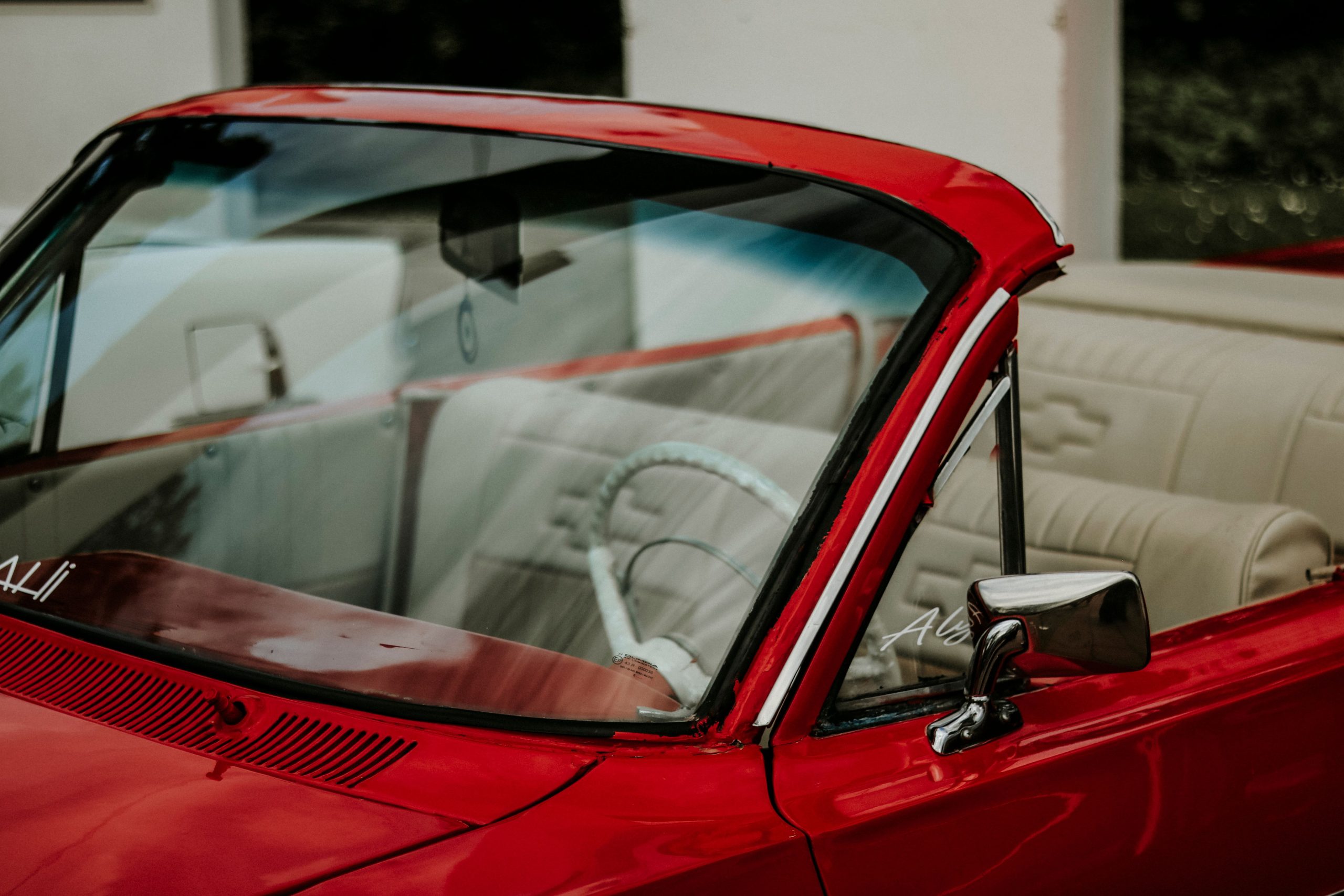
When the weather finally cooperates, resist the urge to yank off the cover and immediately fire up the engine. A thoughtful wake-up routine protects everything you worked so hard to preserve. Rushing this stage can undo months of careful preparation in a matter of minutes.
Begin with a full visual inspection. Walk around the car, check under it for any leaks that developed during storage, and look closely at the tires for cracks or low pressure. Reconnect the battery if you removed it, and check all fluid levels before turning the key. Many seasoned owners pull the spark plugs and squirt a small amount of oil into each cylinder, then turn the engine over by hand to lubricate everything before the first real start.
Once the car fires up, let it idle gently and watch the gauges. Listen for unusual sounds. Take the first drive somewhere quiet and short, giving the brakes, suspension, and drivetrain a chance to wake up gradually. A gentle reintroduction to the road is the final step in a successful storage season, and it sets the tone for months of enjoyable driving ahead.
Conclusion
Protecting a vintage vehicle through theoff-season is less about expensive gadgets and more about paying attention to the small details. Rust does not appear overnight, it builds slowly in the places we forget to check, and almost every case of serious corrosion can be traced back to a skipped step or an overlooked assumption. Dry air, clean metal, fresh fluids, and the occasional walk-around are the four pillars of a healthy storage season, and none of them require advanced skills or deep pockets.
If you are new to this hobby, give yourself permission to learn as you go. Your first storage season will teach you things no checklist can, from how your particular garage breathes in winter to how your car’s paint reacts to different waxes. Keep notes, ask questions in owner forums, and trust that each year you will get a little better at reading the subtle signals your vehicle sends. The reward is a car that still turns heads decades from now, carrying its story forward exactly the way its original builders hoped it would.
