
Navigating vehicle maintenance can be overwhelming for many car owners, especially when it comes to brakes, tires, and other critical systems. This auto repair FAQs guide is designed to provide clear answers to the most common questions, helping drivers understand what their vehicles need to remain safe and efficient. Whether you’re interested in muscle car restoration, need BMW repairs, or are looking for reliable local tire service, having a grasp of basic maintenance principles is essential.
Routine maintenance, including auto tires inspections, oil changes, and car diagnostics service, not only extends your vehicle’s life but also prevents costly repairs down the line. For example, window tinting or window tinting service may seem cosmetic, but properly applied tints can protect interiors and reduce glare while driving. Similarly, knowing when to schedule car collision repair or utilize a trusted Ford certified collision repair center ensures your vehicle is safe after an incident. By understanding these common topics and following the advice in this auto repair FAQs article, you can take a proactive approach to vehicle care and confidently address common automotive issues before they escalate.
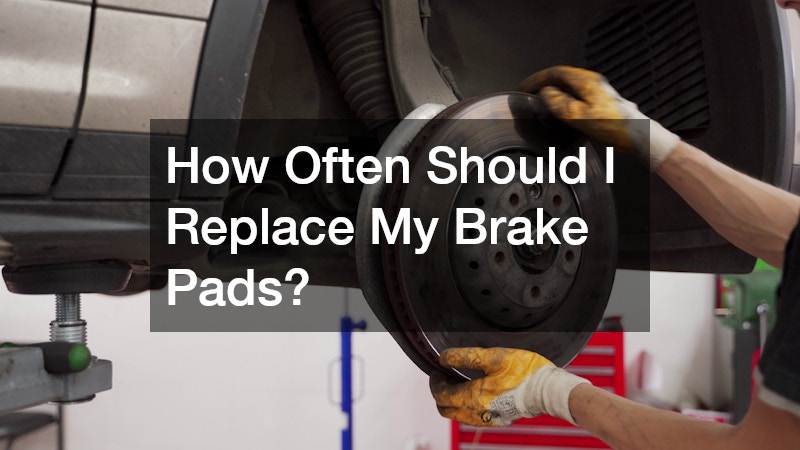
How Often Should I Replace My Brake Pads?
Signs That Indicate Brake Pad Replacement
Brake pads are essential for vehicle safety, and recognizing when they need replacement is crucial. Common signs include squealing or grinding noises when braking, a soft or spongy brake pedal, and longer stopping distances. Regular visits to a trusted auto repair service can help identify worn pads before they cause further damage. In addition, car diagnostics service can detect early issues with your braking system, allowing timely maintenance.
Other indicators may include vibrations when braking or warning lights on the dashboard. All car owners, whether driving vehicles needing BMW repairs or muscle car restoration, should take these signs seriously. Neglecting worn brake pads can lead to rotor damage and more expensive car collision repair. Scheduling timely brake service at a reliable local tire service or auto repair shop ensures your braking system performs safely under all conditions.
Factors Affecting Brake Pad Lifespan
Several factors influence how long brake pads last. Driving habits, vehicle type, and road conditions all play a role. Aggressive driving or frequent stop-and-go traffic can accelerate wear, while high-performance vehicles like muscle cars may require more frequent attention. Auto repair service providers recommend routine inspections to account for these variables.
Material composition is another factor: ceramic pads often last longer than organic ones but can be more expensive. Weather conditions, such as frequent rain or snow, can also affect lifespan by promoting corrosion. Using car diagnostics service to monitor brake performance ensures timely replacement. For vehicles that undergo muscle car restoration or require BMW repairs, understanding these factors and relying on professional auto repair services helps prevent unexpected braking failures and costly car collision repair.
What Are the Different Types of Brake Systems?
Disc Brakes vs. Drum Brakes
Disc brakes and drum brakes are the two primary systems used in vehicles today. Disc brakes are more common in modern cars due to their superior stopping power and better heat dissipation. Drum brakes, while less common, are still found on some older models and certain rear-wheel applications. Understanding which system your car uses is important for maintenance and when scheduling brake repairs at an auto repair service or local tire service center.
Disc brakes generally require less frequent adjustment and offer more predictable performance under heavy braking. Drum brakes may be more cost-effective to replace but can wear unevenly if not inspected regularly. Auto repair service centers can advise on the best options for replacement and maintenance. Additionally, vehicles undergoing muscle car restoration or BMW repairs may require specialized parts for disc or drum brake systems, emphasizing the importance of professional guidance in this auto repair FAQs context.
Understanding Anti-Lock Brake Systems (ABS)
Anti-lock brake systems (ABS) prevent wheel lock-up during sudden stops, enhancing vehicle control. ABS sensors monitor wheel speed and modulate brake pressure to reduce skidding, particularly on slippery surfaces. Regular inspections at an auto repair service ensure that these sensors are functioning correctly. Car diagnostics service can detect faults in ABS systems early, preventing potential accidents and minimizing the need for more extensive car collision repair.
ABS systems have become standard in modern vehicles, including BMWs and many muscle cars undergoing restoration. Maintaining ABS performance through routine auto repair service is critical for safety. Window tinting service or other cosmetic upgrades should not interfere with ABS sensors, so it’s important to rely on professional technicians. Proper attention to ABS within an auto repair FAQs approach ensures drivers understand both functionality and maintenance requirements.
How Do I Know When My Tires Need to Be Replaced?

Tread Wear Indicators
Tire tread is vital for traction, handling, and overall safety. Most tires include tread wear indicators, small raised sections within the grooves, which become visible when tread depth is low. Regular inspection by a local tire service or during an auto repair service appointment helps ensure tires are replaced before performance is compromised. Auto tires in poor condition can affect braking distance and handling, increasing the risk of accidents and necessitating car collision repair if incidents occur.
Drivers interested in muscle car restoration or BMW repairs should pay particular attention to tire wear, as high-performance tires may degrade faster under spirited driving. Understanding tread wear indicators and acting promptly aligns with the guidance provided in this auto repair FAQs resource. Professionals at auto repair service centers can also perform tire rotations and alignments, extending tire life and maintaining optimal performance.
Other Signs of Tire Deterioration
Besides tread indicators, physical damage like cracks, bulges, or punctures signals the need for tire replacement. Uneven wear patterns may suggest misalignment or suspension issues, detectable during a car diagnostics service. Timely intervention through a trusted auto repair service prevents larger problems and costly car collision repair.
Vehicle owners should also consider seasonal factors: extreme heat can accelerate tire degradation, while winter conditions demand tires with proper tread depth and winter compounds. Muscle car restoration projects and BMW repairs may involve specialized tires that require additional care. Relying on a local tire service ensures that all tires, whether standard or high-performance, remain safe and functional.
What Is the Proper Tire Pressure for My Vehicle?
How to Find the Recommended Tire Pressure
Correct tire pressure is essential for vehicle handling, fuel efficiency, and safety. Most manufacturers list recommended pressures in the owner’s manual or inside the driver’s side door. Auto repair service technicians can also provide guidance during routine visits. Using car diagnostics service tools, such as pressure sensors, can help maintain precise inflation levels.
For vehicles undergoing muscle car restoration or BMW repairs, maintaining proper tire pressure is even more critical due to higher performance demands. Local tire service centers can assist with inflation checks and adjustments. Additionally, window tinting service or other modifications should not obscure visibility of tire pressure monitoring systems, which are integral to safety and included in this auto repair FAQs overview.
Effects of Under-Inflated and Over-Inflated Tires
Improper tire pressure can cause uneven wear, reduced handling, and increased risk of blowouts. Under-inflated tires generate excessive heat, while over-inflated tires reduce traction and increase road impact. Auto repair service providers recommend regular checks to prevent these issues. Car diagnostics service can alert drivers to pressure discrepancies, ensuring timely correction.
High-performance vehicles, muscle cars, and BMWs are particularly sensitive to tire pressure variations. Ignoring these warnings can lead to more significant repairs, including car collision repair or suspension damage. By following guidance in this auto repair FAQs, vehicle owners can maintain optimal tire performance and prolong tire lifespan, while supporting overall vehicle safety.
Why Is Regular Vehicle Maintenance Important?

Preventing Major Issues
Regular vehicle maintenance is the cornerstone of preventing costly repairs and accidents. Routine inspections through a trusted auto repair service can identify small problems before they become major. From brake wear to auto tires condition, timely attention prevents more extensive issues such as car collision repair. Muscle car restoration projects and BMW repairs especially benefit from consistent upkeep, as older or high-performance vehicles can develop hidden issues quickly.
Scheduled maintenance often includes oil changes, tire rotations, and window tinting service checks. Car diagnostics service can uncover early warning signs of engine or transmission problems. A reliable local tire service or auto repair service ensures that every component of your vehicle, from suspension to brakes, is in optimal condition. By addressing minor issues promptly, drivers reduce the likelihood of sudden breakdowns, expensive repairs, and safety risks, making regular service an essential practice highlighted in this auto repair FAQs guide.
Enhancing Vehicle Performance and Safety
Beyond preventing problems, maintenance improves overall vehicle performance and safety. Properly inflated auto tires, functional brakes, and timely car diagnostics service all contribute to smoother handling and better fuel efficiency. Window tinting and window tinting service can enhance comfort and reduce glare, further supporting safe driving.
For vehicles undergoing muscle car restoration or BMW repairs, regular maintenance ensures peak performance and reliability. Routine checks at a local tire service or auto repair service help maintain acceleration, braking response, and overall drivability. Ford certified collision repair centers also emphasize that well-maintained vehicles are easier and safer to repair after an incident. By adhering to these practices, car owners can enjoy optimal safety and performance, aligning with the advice presented in this comprehensive auto repair FAQs article.
How Do I Tell If My Car’s Alignment Is Off?
Symptoms of Poor Alignment
Poor alignment can lead to uneven tire wear, steering drift, and decreased handling performance. Signs include the car pulling to one side, a crooked steering wheel when driving straight, and unusual tire wear patterns. Auto repair service professionals recommend routine checks to catch these issues early, particularly if you’ve recently had car collision repair or window tinting service.
Local tire service centers can inspect tires and adjust alignment for optimal performance. Vehicles like muscle cars or BMWs with precise handling requirements benefit from timely alignment corrections. Car diagnostics service can also detect subtle misalignments before they lead to more significant problems, such as increased brake wear or suspension damage. Recognizing these symptoms is a key component of the auto repair FAQs approach to proactive vehicle care.
The Impact of Misalignment on Driving
Driving with poor alignment can compromise safety and vehicle longevity. Uneven tire wear can necessitate premature auto tires replacement, while misalignment strains suspension and steering components. Muscle car restoration or BMW repairs may be negatively impacted if alignment is neglected, affecting both performance and aesthetics.
Routine visits to a local tire service or auto repair service help ensure alignment stays within specifications. Car diagnostics service can alert drivers to alignment shifts that aren’t immediately noticeable. Maintaining proper alignment supports braking efficiency, handling, and fuel economy, and is a vital aspect of the recommendations included in this auto repair FAQs guide.
What Is Included in a Standard Oil Change?

Types of Oil and Filters Used
Oil changes are fundamental to engine health. Standard service involves replacing engine oil with the appropriate type for your vehicle, such as conventional, synthetic blend, or full synthetic. Oil filters are also replaced to remove contaminants that could damage engine components. Auto repair service professionals often combine oil changes with a full inspection, including checking brake pads, auto tires, and car diagnostics service for early signs of issues.
For BMW repairs or muscle car restoration projects, choosing the correct oil type is critical for engine longevity. Ford certified collision repair centers often check oil and filter conditions during post-repair inspections. Window tinting service or other modifications should not interfere with engine access or routine maintenance. Understanding oil types and filter changes is a key element of this auto repair FAQs overview.
Frequency of Oil Changes
The frequency of oil changes varies depending on driving habits, vehicle type, and manufacturer recommendations. Many modern cars can go 5,000 to 10,000 miles between changes, but high-performance vehicles or older models may require more frequent service. Muscle car restoration projects especially benefit from consistent oil maintenance, as older engines are more sensitive to oil quality.
Regular auto repair service and car diagnostics service help determine the optimal oil change schedule. Neglecting this service can lead to engine wear, reduced fuel efficiency, and costly repairs. Local tire service visits can coincide with oil changes to maximize convenience and maintain overall vehicle health. Following recommended schedules is a cornerstone of proactive maintenance highlighted throughout this auto repair FAQs guide.
How Can I Find a Reliable Auto Repair Shop?
Researching and Reading Reviews
Finding a trustworthy auto repair shop is essential for safe and efficient vehicle maintenance. Start by reading reviews online and asking for recommendations from friends or colleagues. Checking for certifications, such as Ford certified collision repair or other industry standards, helps ensure quality service. Local tire service providers and auto repair service centers with strong reputations are generally reliable choices for routine maintenance, car diagnostics service, and specialized work like muscle car restoration or BMW repairs.
Additionally, window tinting service and auto tires maintenance can be included in comprehensive shop offerings, simplifying vehicle care. Researching multiple options and reading customer testimonials helps identify a shop that prioritizes quality, professionalism, and transparency, aligning with best practices presented in this auto repair FAQs article.
Asking the Right Questions
When evaluating potential auto repair shops, ask clear, targeted questions about services, warranties, and experience. Inquire whether they offer muscle car restoration, BMW repairs, or specialized car collision repair. Confirm availability of local tire service, auto tires replacement, and car diagnostics service. Understanding their approach to maintenance and repair ensures your vehicle is in capable hands.
A reliable shop will provide transparent answers, pricing details, and explanations for recommended services, including window tinting service and Ford certified collision repair. This proactive approach empowers you as a vehicle owner and aligns perfectly with the advice in this auto repair FAQs guide. By asking the right questions, you can confidently select a shop that meets all your maintenance and repair needs.
Understanding common auto repair questions equips drivers to maintain their vehicles safely and efficiently. From brake pad replacement and tire inspections to oil changes and car diagnostics service, proactive maintenance protects performance and prevents costly repairs. All car owners, whether managing BMW repairs, muscle car restoration, or standard maintenance, benefit from following the guidance outlined in this auto repair FAQs article.
Reliable auto repair service and local tire service providers ensure that your vehicle operates optimally, while window tinting service and Ford certified collision repair address cosmetic and safety concerns. Knowing when to schedule car collision repair or specialized services ensures peace of mind and road safety. By staying informed and proactive, drivers can extend their vehicle’s life, enhance performance, and maintain safety for themselves and others, making this auto repair FAQs guide an essential resource for all vehicle owners.
