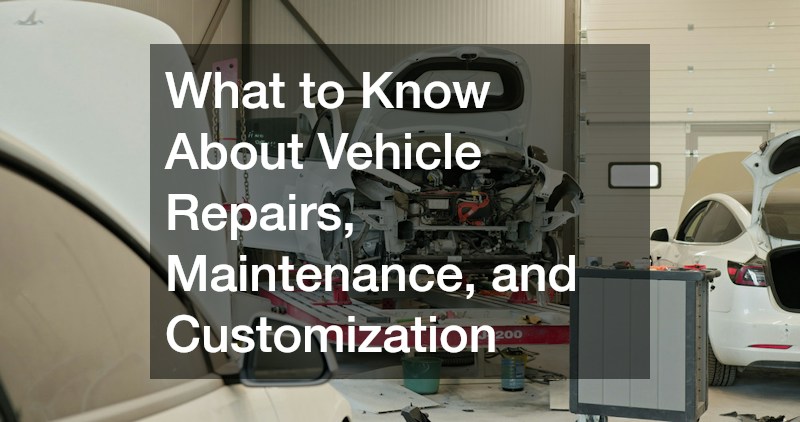
Owning a vehicle involves more than keeping it clean and filling the tank. Cars, trucks, and recreational vehicles need routine maintenance, occasional repairs, and thoughtful upgrades to remain functional, comfortable, and safe. Understanding how different services work helps owners recognize warning signs, plan for expenses, and make informed decisions about their vehicles.
Every vehicle has different needs depending on its age, design, mileage, and intended use. A commuter car may require regular inspections and preventative maintenance, while a work truck may need additional protection for its cargo area. Recreational vehicles also require specialized attention because they combine transportation systems with living spaces and exterior structures.
Learning about common automotive services can help owners prepare for unexpected problems, compare repair options, and prioritize improvements that offer practical benefits. With a consistent maintenance routine and appropriate professional assistance, vehicle owners can better manage long-term costs and keep their vehicles ready for everyday driving.
1. Recognizing When Vehicle Glass Needs Attention
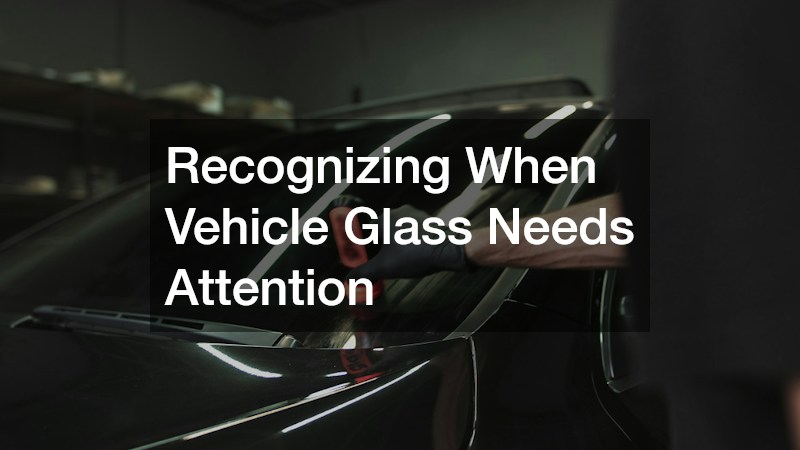
Windshields and windows play an important role in visibility and occupant protection. Even a small chip can spread when exposed to temperature changes, road vibrations, moisture, or additional impacts. Addressing damage early helps owners determine whether a repair is possible or a complete replacement is necessary.
Professional auto glass technicians assess the size, location, and depth of damage before recommending a solution. Small chips may be repairable, but extensive cracks or damage within the driver’s primary viewing area may require replacement. Certain windshields also support cameras and sensors used by driver assistance systems, making proper installation and calibration especially important.
Vehicle owners should watch for several warning signs:
-
Cracks that continue spreading across the windshield.
-
Chips that interfere with the driver’s view.
-
Damage near the glass edges.
-
Leaks or unusual wind noise around windows.
-
Problems involving cameras or sensors mounted near the windshield.
Owners should avoid assuming that every chip requires replacement or that every crack can be repaired. A qualified technician can explain the available options and determine whether the glass meets applicable safety requirements. Prompt attention may prevent minor damage from becoming more expensive while helping preserve clear visibility.
2. Following a Consistent Maintenance Schedule
Preventive maintenance helps vehicles operate as intended and gives technicians opportunities to identify developing problems. Following the manufacturer’s recommendations is the best starting point because service intervals vary according to engine type, vehicle design, mileage, and driving conditions.
An oil change is a fundamental part of engine maintenance. Engine oil lubricates moving components, helps control heat, and carries contaminants toward the filtration system. Over time, oil deteriorates and accumulates particles, making timely replacement important for continued engine performance.
Other routine maintenance tasks include:
-
Checking coolant and other applicable fluids.
-
Inspecting brake components for wear.
-
Monitoring tire pressure and tread condition.
-
Testing the battery and inspecting its connections.
-
Replacing air filters according to manufacturer guidance.
-
Checking exterior lights, belts, and hoses.
-
Rotating tires when recommended.
Driving conditions can influence how frequently certain services are needed. Repeated short trips, extreme temperatures, dusty environments, and frequent towing may place additional demands on vehicle components.
Keeping service receipts and recording mileage helps owners track completed work and anticipate future expenses. A maintenance log also makes it easier to identify recurring problems and provide useful information when seeking professional assistance.
3. Maintaining Wheels and Tires
Wheels experience constant contact with road surfaces, potholes, curbs, and debris. These impacts can cause scratches, bends, cracks, and other damage that affects appearance and potentially compromises safe driving. Recognizing problems early helps owners determine whether professional attention is necessary.
Rim repair may be suitable for certain cosmetic imperfections and limited damage, depending on the wheel’s material, construction, and condition. However, severely bent or cracked wheels may need replacement rather than restoration. A qualified technician can assess whether a damaged wheel can be repaired safely.
Drivers should watch for steering wheel vibrations, recurring tire pressure loss, visible deformation, and unusual changes in handling. These symptoms can indicate wheel damage, but they may also result from tire, suspension, or alignment problems.
A thorough inspection should consider the entire wheel and tire assembly rather than focusing only on visible scratches. Correct tire pressure, proper wheel balance, and appropriate alignment contribute to stable handling and even tire wear. Owners should also follow the manufacturer’s recommendations for wheel specifications and replacement components.
4. Protecting the Vehicle’s Exterior
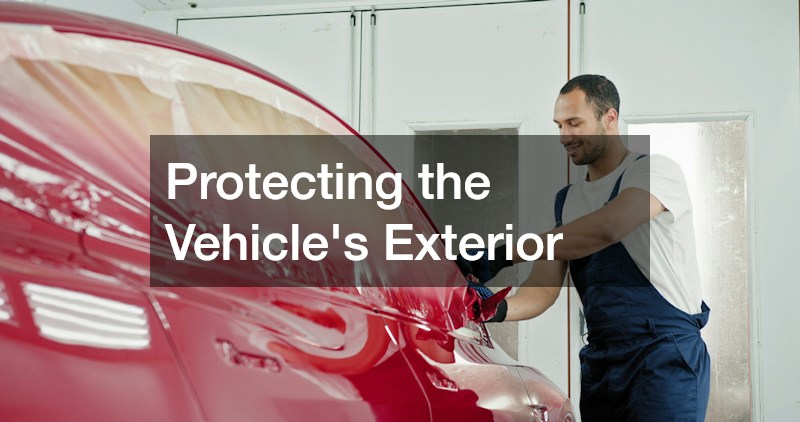
A vehicle’s paint is exposed to sunlight, rain, road grime, bird droppings, tree sap, and airborne contaminants. Regular washing helps remove these materials before they become difficult to clean or damage the finish. Appropriate detailing practices can also preserve the vehicle’s appearance.
Ceramic coating is a protective treatment that bonds to the painted surface when properly applied. Depending on the product, it can enhance gloss, improve water beading, and make certain contaminants easier to remove. However, it does not make paint completely scratchproof or eliminate the need for regular cleaning.
Before choosing a coating, owners should consider the vehicle’s existing condition. Scratches, oxidation, and swirl marks may remain visible unless corrected before application. Thorough preparation is therefore important for achieving the desired appearance.
Professional application may be useful when extensive paint correction is necessary or the owner wants guidance on selecting a suitable product. Different coatings have varying durability, application requirements, and maintenance expectations.
Owners should also understand that protective treatments cannot prevent every stone chip, deep scratch, or collision-related defect. Washing with appropriate products and following recommended care instructions remain important after application. Selecting an option based on actual driving conditions and maintenance preferences helps ensure the treatment provides practical value.
5. Preparing for Unexpected Repair Costs
Even well-maintained vehicles can experience breakdowns, collisions, theft, or weather-related damage. Preparing financially for these situations involves understanding available protection and planning for expenses that may not be covered by an insurance policy.
Car insurance policies differ in their coverage limits, exclusions, deductibles, and claim requirements. Liability coverage generally addresses certain damages or injuries for which a driver is legally responsible. Collision coverage typically applies to covered vehicle damage resulting from collisions, while comprehensive coverage generally addresses specified non-collision events, such as theft, hail, or falling objects.
Vehicle owners should review several details before an incident occurs:
-
Coverage limits: Understand the maximum amount payable for covered losses.
-
Deductibles: Determine how much must be paid out of pocket for applicable claims.
-
Exclusions: Review circumstances and types of damage that may not qualify for coverage.
-
Rental benefits: Check whether temporary transportation is included.
-
Repair procedures: Understand documentation requirements and the process for approving additional work.
After an incident, owners should document the damage, contact the insurer promptly, and follow the applicable claims process. They should not assume every repair will be reimbursed, since coverage depends on policy language and the circumstances involved.
Maintaining an emergency repair fund can provide additional flexibility when expenses arise. Insurance and preventive maintenance serve different purposes, but both contribute to a more organized approach to vehicle ownership.
6. Selecting Useful Truck Accessories
Pickup trucks often carry tools, construction materials, sporting equipment, and other cargo. Repeated loading and unloading can expose the truck bed to scratches, dents, moisture, and general wear. Choosing suitable accessories helps owners adapt the vehicle to their needs.
A bed cover can help protect cargo from weather exposure, road debris, and casual visibility. Available designs include folding, retractable, hinged, and roll-up options. Each offers different benefits related to access, durability, storage, and convenience.
Before purchasing a cover, owners should confirm that it fits the truck’s model and bed dimensions. They should also consider whether they regularly transport tall equipment, bulky materials, or smaller items requiring additional protection.
Weather resistance varies by design, and even a well-fitted cover may not create a completely waterproof seal under every condition. Owners should review installation requirements and understand how the product affects access to the cargo area.
Other useful considerations include weight limits, compatibility with existing accessories, maintenance requirements, and warranty coverage. A cover that works well for occasional personal use may not be suitable for a truck that carries commercial equipment every day.
7. Inspecting Recreational Vehicles for Water Damage
Recreational vehicles face environmental challenges that differ from those experienced by ordinary passenger cars. Extended storage, changing temperatures, heavy rain, and prolonged sunlight can gradually affect roofing materials and exterior seals. Regular inspections help identify problems before moisture spreads into the living space.
RV roof repair may become necessary when an inspection reveals damaged membranes, deteriorating sealant, loose components, or signs of water intrusion. Even a small opening can allow moisture to reach insulation, ceiling panels, walls, and cabinetry.
Owners should look for discoloration on interior ceilings, bubbling surfaces, musty odors, and soft spots around seams or openings. These signs may indicate hidden moisture even when the source is not immediately visible.
Preventive care includes removing debris, checking accessible seals, and following the manufacturer’s recommendations for cleaning and storage. Roofing materials vary, so cleaning products and repair compounds must be compatible with the particular surface. Walking on a roof without confirming its weight-bearing capacity can cause injury or additional damage.
When a leak appears, covering the visible opening may not address moisture that has already entered the structure. A professional assessment can help identify the source, determine whether underlying materials are damaged, and establish an appropriate repair plan.
8. Protecting Pickup Truck Beds From Wear
Work trucks often transport heavy tools, equipment, landscaping materials, and construction supplies. Without suitable protection, the cargo bed can develop scratches, dents, corrosion, and surface deterioration. Protective treatments can help preserve the bed and maintain the truck’s usefulness.
A truck bedliner company can help owners compare protective options based on their vehicles and daily workloads. Common solutions include spray-on coatings and drop-in liners, each with different installation requirements, durability characteristics, and maintenance considerations.
Spray-on products generally require careful surface preparation to promote adhesion. Drop-in liners provide a separate protective layer, but their fit and installation can influence how well they perform. Owners should ask about coverage, moisture management, cleaning, and any effects on existing truck equipment.
When comparing providers, consider the following:
-
Experience with the vehicle’s bed material and configuration.
-
Preparation and installation procedures.
-
Product specifications and warranty terms.
-
Expected resistance to abrasion and impacts.
-
Maintenance requirements and repair options.
No liner is completely resistant to damage under every condition. Owners should still secure cargo properly and avoid exceeding the vehicle’s payload capacity. Heavy or sharp materials may require additional precautions to prevent damage.
9. Recognizing Transmission Problems
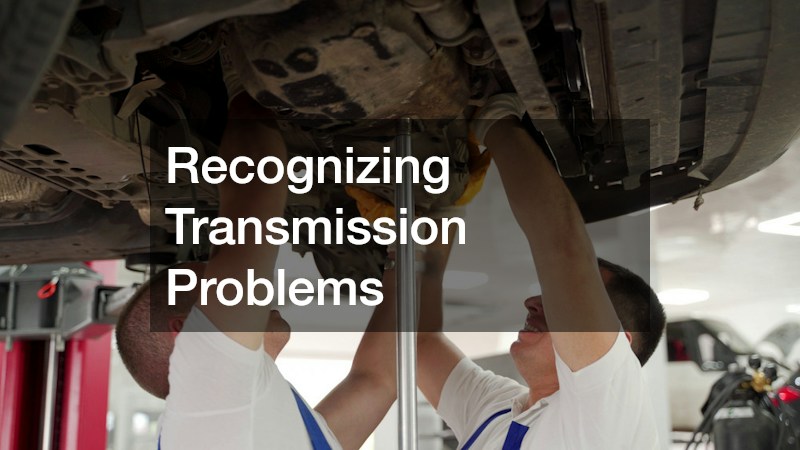
The transmission transfers engine power to the wheels and allows a vehicle to operate at different speeds. Because the system contains complex mechanical and electronic components, problems can affect acceleration, shifting, fuel efficiency, and drivability.
Drivers may notice delayed gear engagement, slipping, unusual noises, fluid leaks, warning lights, or unexpected changes in shifting behavior. These symptoms can have different causes, so guessing at the problem or replacing parts without diagnosis may lead to unnecessary expenses.
Seeking local auto transmission services can help owners determine whether a vehicle needs maintenance, a specific repair, or more extensive work. Depending on the vehicle, the evaluation may include diagnostic scans, fluid inspections, leak checks, and operational testing.
Before approving a repair, owners should request an explanation of the findings and a written estimate. They can also ask which repairs are essential, whether additional problems may emerge during disassembly, and what warranty applies to the completed work.
Transmission fluid requirements vary by vehicle, making manufacturer guidance especially important. Adding the wrong fluid or following an unsuitable service procedure can cause further damage.
Serious symptoms, including substantial fluid loss, severe slipping, or loss of drive, warrant prompt attention. Continuing to operate a vehicle under these conditions may worsen the problem or create unsafe circumstances. Early diagnosis gives owners a clearer understanding of their options and potential costs.
10. Navigating Collision Damage and Repairs
A collision can damage more than the visible exterior panels. Impacts may affect structural components, suspension parts, lighting, sensors, and other systems that contribute to safe operation. Even when damage appears minor, a professional assessment can help identify problems that are not immediately apparent.
Auto collision repairs may involve bodywork, replacement parts, paint matching, structural restoration, and electronic system calibration. The necessary procedures depend on the severity of the impact, the vehicle’s design, and applicable manufacturer repair guidelines.
After an accident, owners should prioritize safety and documentation. When appropriate, they should photograph the damage, record relevant incident details, notify their insurer, and arrange an inspection. Vehicles with potentially serious damage should not be driven until their safety has been evaluated.
Before authorizing work, owners should review the estimate and ask about parts, labor, expected completion time, and warranty coverage. They should also understand how the repair facility handles additional damage discovered after disassembly. Initial estimates may change when hidden problems become visible.
Modern vehicles may require diagnostic scans and recalibration of driver assistance systems following certain repairs. These procedures help ensure affected systems function according to manufacturer specifications.
Responsible vehicle ownership combines preventive maintenance, timely repairs, and carefully selected improvements. Understanding common service needs helps owners recognize warning signs, evaluate recommendations, and plan for expenses before problems become more disruptive.
Every vehicle has different requirements based on its design, age, driving conditions, and intended use. Following manufacturer guidance, keeping accurate maintenance records, and consulting qualified professionals when necessary can support better decisions throughout its life.
With consistent attention and practical planning, vehicle owners can preserve functionality, manage repair costs, and maintain their vehicles for the demands of everyday travel.
