Introduction: Managing Vehicles, Equipment, and Property Assets More Effectively
Whether you own personal vehicles, recreational equipment, commercial machinery, or property maintenance assets, protecting those investments requires more than occasional repairs. Consistent maintenance, strategic upgrades, and smart rental decisions all play an important role in reducing costs and maximizing long-term value.
Many owners focus on fixing problems only when they become serious. Unfortunately, reactive maintenance often results in higher repair bills, unexpected downtime, and shortened equipment lifespan. A more effective approach is preventative care. Routine inspections, timely repairs, and thoughtful planning help ensure assets remain reliable and productive.
Vehicle ownership comes with its own set of challenges. Mechanical systems experience wear over time, environmental conditions create damage, and accidents can lead to unexpected expenses. Equipment ownership introduces additional responsibilities, including storage, maintenance schedules, and operating costs. In some situations, renting equipment instead of purchasing it can be a more cost-effective solution.
Property-related assets require attention as well. Waterfront equipment, recreational vehicles, and specialty machinery often face harsh environmental conditions that accelerate deterioration if maintenance is neglected.
By understanding how to properly maintain, repair, rent, and replace assets when necessary, owners can improve reliability while controlling expenses. The following guide explores practical strategies for managing vehicles, equipment, and related assets more effectively.
Know When It’s Time to Sell Aging Vehicles Instead of Continuing Repairs
Every vehicle eventually reaches a point where continued repairs become difficult to justify financially. While regular maintenance extends lifespan, there comes a time when ownership costs exceed the vehicle’s practical value.
Programs offering cars for cash provide owners with an opportunity to recover value from aging or damaged vehicles while avoiding ongoing repair expenses.
Warning signs that it may be time to consider selling include:
- Frequent breakdowns
- Expensive recurring repairs
- Significant rust or corrosion
- Poor fuel efficiency
- Safety concerns
When evaluating whether to repair or replace a vehicle, consider:
- Annual repair expenses
- Current market value
- Reliability concerns
- Insurance costs
- Fuel consumption
Benefits of selling older vehicles include:
- Eliminating ongoing repair bills
- Reducing maintenance responsibilities
- Freeing storage space
- Generating funds for replacement transportation
Before selling, homeowners should:
- Gather maintenance records
- Remove personal belongings
- Obtain multiple value estimates
- Review title requirements
Making a strategic decision regarding aging vehicles often saves money while improving reliability and safety.
Keep Recreational Vehicles Operating Safely and Reliably
Golf carts are no longer limited to golf courses. They are widely used in residential communities, campgrounds, resorts, and large properties. Like any vehicle, they require regular maintenance to perform safely and efficiently.
Routine golf cart service helps identify mechanical issues before they lead to breakdowns or safety concerns.
Important maintenance areas include:
- Battery systems
- Brake components
- Steering systems
- Electrical connections
- Suspension components
One often-overlooked area is golf cart tires. Tire condition directly affects ride quality, handling, and safety.
Warning signs that tires require attention include:
- Uneven wear
- Cracking
- Reduced tread depth
- Frequent loss of air pressure
Additional maintenance recommendations include:
- Checking tire pressure regularly
- Cleaning battery terminals
- Lubricating moving components
- Inspecting brakes seasonally
Proper storage also plays an important role in extending equipment life.
Storage best practices include:
- Protecting carts from weather exposure
- Disconnecting batteries during extended storage
- Cleaning components regularly
- Maintaining proper tire inflation
Routine care improves reliability while helping owners avoid costly repairs.
Choose the Right Equipment for Heavy-Duty Projects
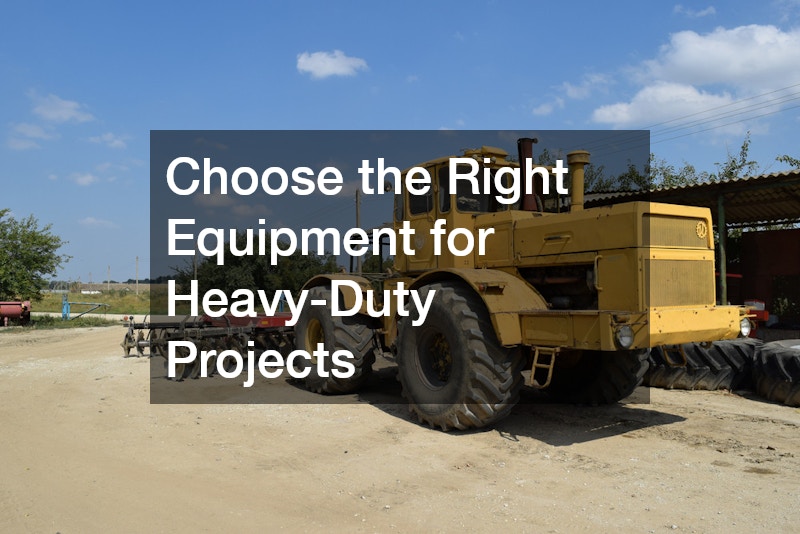
Many construction, landscaping, and property improvement projects require specialized equipment. Purchasing heavy machinery can be expensive, especially for short-term projects. In many cases, renting equipment provides a more practical and cost-effective solution.
Dump truck rentals are particularly useful when transporting soil, gravel, debris, mulch, demolition materials, or construction supplies. Instead of making numerous trips with smaller vehicles, a dump truck can significantly improve productivity and reduce labor costs.
Projects that commonly benefit from dump truck rentals include:
- Landscaping renovations
- Driveway installations
- Construction site cleanup
- Excavation projects
- Property grading
Another versatile piece of equipment is a skid steer rental. Skid steers can perform a wide range of tasks using interchangeable attachments.
Common skid steer applications include:
- Material handling
- Land clearing
- Snow removal
- Trenching
- Grading and leveling
Before selecting equipment, evaluate:
- Project scope
- Material volume
- Site accessibility
- Ground conditions
- Operator experience
Rental equipment should always be inspected before use.
Important inspection points include:
- Hydraulic systems
- Tires or tracks
- Safety controls
- Fluid levels
- Attachment condition
Proper planning helps maximize productivity while minimizing rental expenses.
Benefits of renting versus ownership often include:
- Lower upfront costs
- Reduced maintenance responsibilities
- Access to newer equipment
- No long-term storage requirements
- Flexibility for specialized projects
By selecting equipment based on actual project needs, owners can improve efficiency while avoiding unnecessary capital investments.
Improve Material Handling Efficiency on Commercial and Industrial Projects
Material handling is a critical component of many commercial, industrial, and construction operations. Moving heavy materials safely and efficiently requires equipment that is properly matched to the job.
A forklift rental provides access to lifting equipment without the expense and maintenance obligations associated with ownership.
Forklifts are commonly used for:
- Warehouse operations
- Construction projects
- Manufacturing facilities
- Distribution centers
- Material staging areas
Before selecting equipment, evaluate:
- Load capacity requirements
- Lift height needs
- Surface conditions
- Indoor versus outdoor operation
- Project duration
Safety should remain the highest priority during forklift operation.
Recommended safety practices include:
- Operator training
- Daily equipment inspections
- Load stabilization procedures
- Proper visibility management
- Adherence to site-specific regulations
Inspection items should include:
- Hydraulic systems
- Tires
- Brakes
- Steering controls
- Safety alarms
Renting equipment often allows businesses to:
- Scale operations efficiently
- Handle temporary workload increases
- Access specialized equipment
- Reduce maintenance expenses
Proper planning helps ensure that the selected forklift supports project goals while maintaining safety and productivity.
Protect Yourself Financially After Accidents and Unexpected Incidents

Vehicle accidents can create significant stress, especially when repairs, liability concerns, and insurance claims become involved. Understanding how to navigate the claims process helps reduce confusion and improves outcomes.
Auto insurance support becomes especially important following collisions, weather-related damage, theft, or other covered incidents.
Immediately following an accident, drivers should:
- Ensure everyone is safe
- Contact emergency services if necessary
- Document the scene thoroughly
- Exchange information with involved parties
- Notify their insurance provider
Important documentation includes:
- Photographs of vehicle damage
- License plate information
- Insurance details
- Witness contact information
- Police reports when applicable
Maintaining organized records throughout the claims process helps prevent delays and misunderstandings.
Additional recommendations include:
- Keeping copies of repair estimates
- Saving correspondence with insurers
- Tracking claim numbers
- Reviewing policy coverage carefully
Understanding coverage limitations is equally important.
Policies may include:
- Collision coverage
- Comprehensive coverage
- Liability protection
- Rental reimbursement
- Roadside assistance
Being prepared before an accident occurs often makes the recovery process much smoother and less stressful.
Address Exterior Damage Quickly Before Visibility and Safety Are Affected
Windshields serve a much greater purpose than simply protecting occupants from wind and debris. They contribute to vehicle structural integrity, visibility, and safety system performance.
Even small chips can quickly expand into larger cracks if not addressed promptly. Professional windshield repair often allows minor damage to be corrected before replacement becomes necessary.
Common causes of windshield damage include:
- Road debris
- Gravel impacts
- Construction zones
- Temperature fluctuations
- Severe weather
Signs that immediate attention is needed include:
- Growing cracks
- Damage within the driver’s line of sight
- Multiple chips
- Edge cracks
Benefits of addressing damage early include:
- Lower repair costs
- Improved visibility
- Preservation of structural integrity
- Reduced likelihood of replacement
Preventative strategies include:
- Maintaining safe following distances
- Avoiding loose gravel when possible
- Parking in protected areas during storms
- Repairing chips immediately
Drivers should also be aware that extreme temperature changes can accelerate crack growth. Small chips that seem harmless today can become major replacement projects after a single season of weather exposure.
Maintaining windshield integrity improves safety while protecting the overall condition of the vehicle.
Protect Recreational Vehicles from Weather-Related Damage
Recreational vehicles provide flexibility and adventure, but they are also exposed to constant environmental stress. Sunlight, rain, snow, temperature fluctuations, and road vibrations all contribute to wear over time. One of the most vulnerable areas of an RV is the roof.
Routine rv roof repairs help prevent water intrusion, structural deterioration, and costly interior damage. Unlike traditional homes, RV roofs often contain numerous seams, vents, skylights, and accessories that require regular inspection.
Common causes of roof damage include:
- UV exposure
- Cracked sealants
- Falling branches
- Hail impacts
- Improper maintenance
Warning signs that should never be ignored include:
- Soft spots in the roof
- Interior water stains
- Bubbling ceiling materials
- Mold or mildew odors
- Visible cracks around roof penetrations
Homeowners and RV owners should inspect roofs at least twice per year and after major storms.
Recommended maintenance tasks include:
- Checking all seals and caulking
- Cleaning roof surfaces
- Removing debris accumulation
- Inspecting vents and skylights
- Addressing minor damage immediately
Preventative maintenance offers several advantages:
- Longer roof lifespan
- Reduced repair costs
- Better protection against leaks
- Improved resale value
- Enhanced travel reliability
Small roofing problems can escalate rapidly if moisture enters the underlying structure. Proactive care remains the best defense against major repairs.
Maintain Waterfront Equipment for Reliable Long-Term Performance
Boat lifts play an important role in protecting watercraft from constant water exposure. Properly functioning lifts reduce hull deterioration, minimize marine growth, and simplify storage. However, these systems themselves require routine care to remain reliable.
Professional boat lift services help identify mechanical, structural, and electrical concerns before they lead to operational failures.
Common components that require inspection include:
- Lift cables
- Pulleys
- Motors
- Electrical controls
- Structural supports
Environmental conditions create unique maintenance challenges.
Factors that contribute to wear include:
- Corrosion
- Moisture exposure
- UV radiation
- Debris accumulation
- Ice movement in colder climates
Routine inspections should focus on:
- Cable wear
- Motor performance
- Structural integrity
- Fastener condition
- Electrical safety
Seasonal maintenance recommendations include:
- Cleaning lift components
- Lubricating moving parts
- Inspecting corrosion-prone areas
- Testing controls regularly
- Preparing equipment for winter storage when necessary
Benefits of routine maintenance include:
- Improved safety
- Reduced breakdown risk
- Extended equipment lifespan
- Better protection for watercraft
- Lower long-term ownership costs
Maintaining waterfront equipment consistently helps prevent expensive failures while ensuring reliable operation throughout the boating season.
Create a Preventative Maintenance Schedule for Vehicles and Equipment
One of the most effective ways to reduce ownership costs is by implementing a structured maintenance schedule. Whether managing vehicles, recreational equipment, rental machinery, or waterfront assets, routine inspections help identify concerns before they become major problems.
A preventative maintenance program should include:
- Scheduled inspections
- Fluid monitoring
- Tire evaluations
- Component lubrication
- Performance testing
Important categories to track include:
Daily or Frequent Checks
- Fluid levels
- Tire pressure
- Battery condition
- Safety equipment
Monthly Inspections
- Mechanical components
- Electrical systems
- Filters
- Visible wear items
Seasonal Maintenance
- Storage preparation
- Weather-related inspections
- Equipment cleaning
- Protective treatments
Annual Service
- Comprehensive inspections
- Major system testing
- Component replacement as needed
- Documentation updates
Keeping detailed maintenance records provides several advantages:
- Improved resale value
- Better budgeting accuracy
- Easier troubleshooting
- Reduced downtime
Digital maintenance tracking systems can simplify scheduling and help ensure important service intervals are not missed.
The goal is to address wear before it develops into failure. Consistent maintenance typically costs far less than emergency repairs.
Increase Asset Lifespan Through Consistent Maintenance and Smart Decision-Making
Every asset has a finite lifespan, but proper care can significantly extend its useful life. Vehicles, equipment, recreational assets, and waterfront systems all benefit from proactive management.
The most successful owners focus on prevention rather than reaction.
Core principles include:
- Performing regular inspections
- Addressing small issues promptly
- Following manufacturer recommendations
- Maintaining accurate records
- Investing in quality repairs
Benefits of preventative maintenance include:
- Lower operating costs
- Improved reliability
- Greater safety
- Reduced downtime
- Enhanced resale value
Owners should also evaluate usage patterns regularly.
Questions to consider include:
- Is the asset still meeting operational needs?
- Are repair costs increasing significantly?
- Would upgrades improve efficiency?
- Is replacement becoming more practical?
Making informed decisions based on performance data rather than convenience often produces better long-term results.
Consistency remains the key. Small maintenance actions performed regularly often prevent the most expensive and disruptive failures.
Conclusion: Building a Reliable and Cost-Effective Asset Management Strategy
Managing vehicles, equipment, and property-related assets effectively requires more than simply reacting to problems when they occur. Long-term success comes from adopting a proactive mindset focused on maintenance, planning, and strategic decision-making. Whether the asset is a vehicle, recreational unit, rental machine, or waterfront system, consistent care remains the most effective way to protect value and reduce ownership costs.
One of the most important lessons for owners is understanding the true cost of neglect. Small issues often develop gradually and may appear insignificant at first. A minor leak, worn tire, damaged seal, or neglected inspection can eventually lead to major repairs that cost significantly more than preventative maintenance would have required. By identifying concerns early, owners can avoid unnecessary downtime and preserve asset performance.
Ultimately, successful asset management is about maximizing value while minimizing risk. Well-maintained equipment performs better, lasts longer, and retains greater value over time. Whether managing transportation, recreational assets, property equipment, or specialty machinery, a commitment to preventative maintenance creates long-term benefits that far outweigh the costs.
By combining regular inspections, timely repairs, strategic rentals, and thoughtful financial planning, owners can improve reliability, reduce operating expenses, and protect their investments for years to come.
