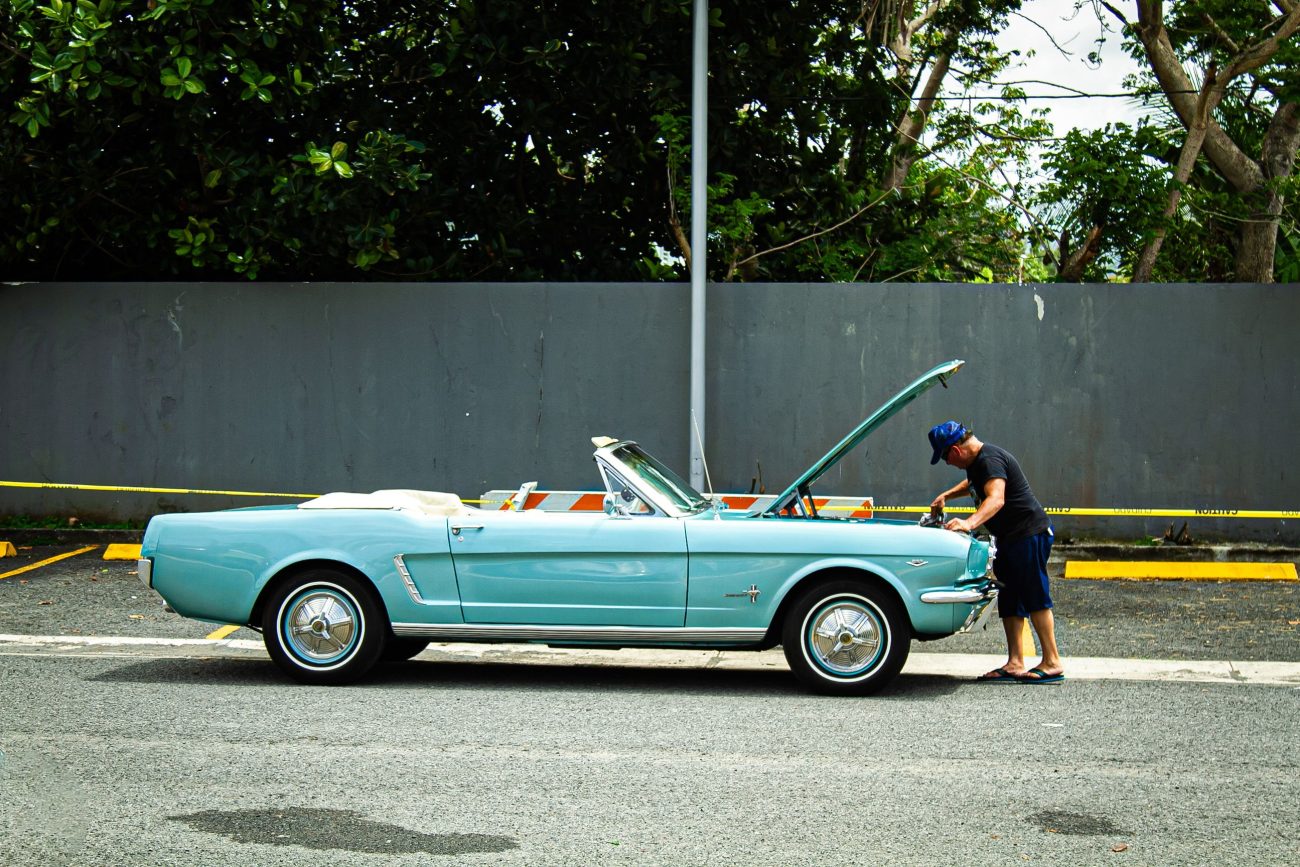
Owning a restored classic is a bit like caring for a piece of living history. Every season puts a different kind of stress on the paint, rubber, metal, and fluids that keep your pride and joy running the way it was always meant to run. Spring rain, summer heat, autumn moisture, and winter cold each leave their own fingerprints, and ignoring any of them tends to catch up with you fast.
The good news is that staying ahead of the weather doesn’t require a professional shop or a mechanical engineering degree. It just requires a plan. If you work through the same set of tasks at the start of every season, small problems get caught before they turn into expensive ones, and your car spends more time on the road where it belongs.
What follows is a step-by-step walk-through for the full calendar year. Grab a notebook, set aside a Saturday morning at the start of each season, and you’ll build a routine your vintage ride will thank you for.
Why Seasonal Care Matters for Vintage Cars
Modern cars are built to shrug off neglect for months at a time. Classic cars are not. The materials in older vehicles, from cork gaskets to natural rubber bushings to single-stage lacquer paint, were engineered for a world where weekly driving and regular tinkering were the norm. When those materials sit, they dry out, crack, and fail.
Weather is the other half of the story. Humid summers push moisture into every seam. Winter salt eats through undercarriages that never saw a pothole in 1965. Even sunlight fades upholstery and bakes the oil out of weatherstripping. A seasonal approach lets you match your attention to what the car is actually experiencing at that time of year.
There’s a financial case too. According to Oldsclub.org, yearly upkeep for a classic typically lands between $1,000 and $4,000, with the exact figure driven by how often you drive and the condition you keep it in. Spreading that work across four seasonal check-ins is almost always cheaper than one big annual repair bill.
Spring Wake-Up: Getting Her Out of Hibernation
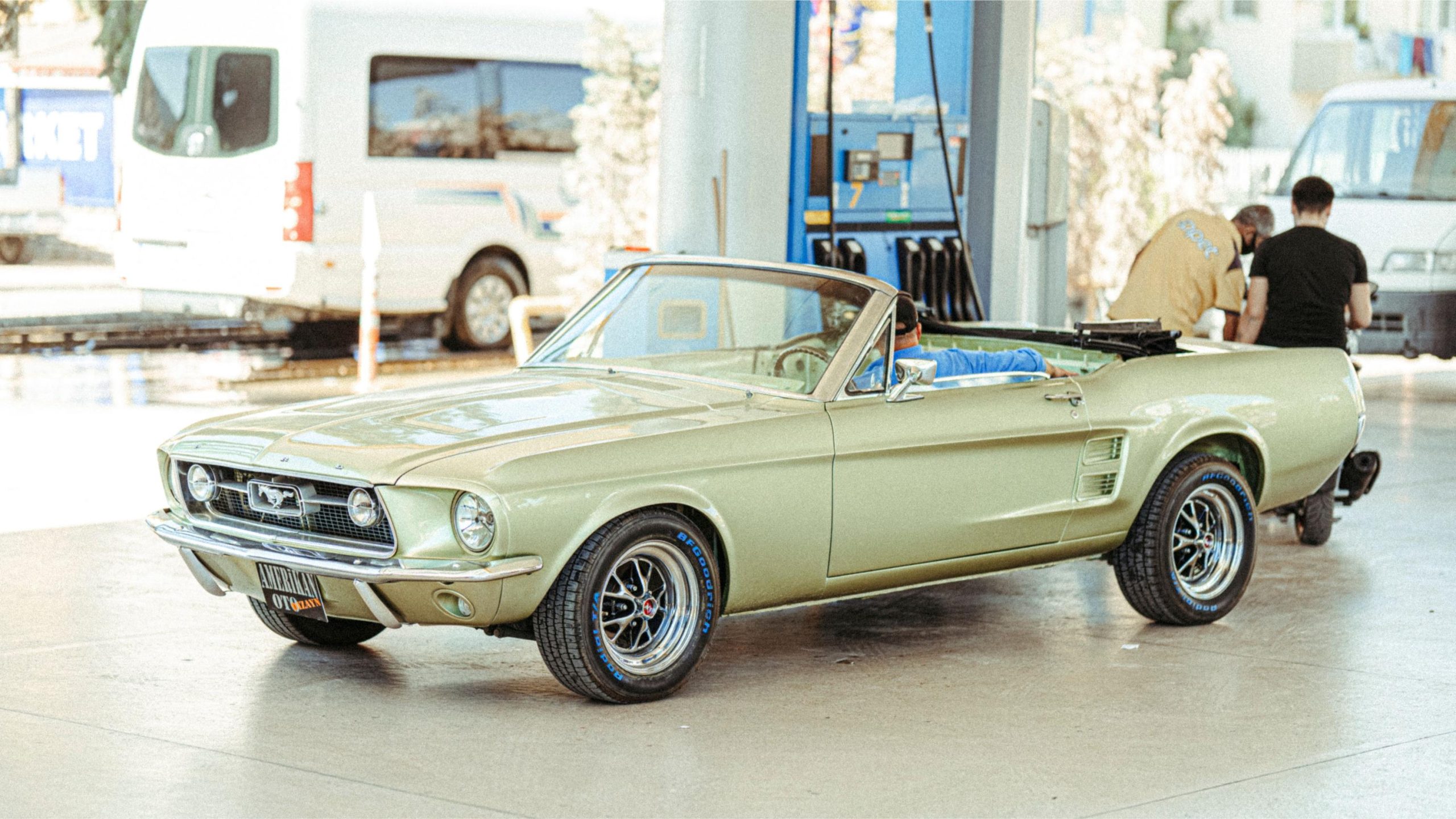
Spring is the most exciting checklist of the year because it ends with a drive. But don’t just yank the cover off and turn the key. Cars that have sat for months need to be eased back into service, starting with fluids and finishing with a slow shakedown run.
Begin with a careful walk-around in good light. Look for puddles under the car, chew marks on wiring, nests in the air cleaner, and any new rust bubbles on lower body panels. Pop the hood and check belt tension, hose softness, and the condition of the battery terminals.
Fluids and Filters to Address First
Fresh fluids are the single best gift you can give an engine coming out of storage. Mechanic Insights notes that classics should get an oil change every 3,000 miles or every six months, whichever shows up first, which makes spring a natural time to do it even if the odometer barely moved.
- Drain and replace the engine oil and filter
- Check coolant strength and top off or flush if it looks tired
- Inspect brake fluid for moisture and darkening
- Replace the fuel filter if you ran stabilizer all winter
- Test the battery under load and clean the terminals
Once the fluids are sorted, start the engine and let it warm up gently while you listen. Any new ticks, hisses, or smells deserve attention before you leave the driveway.
Summer Prep: Beating the Heat and the Miles
Summer is show season, cruise night season, and long highway trip season. It’s also when cooling systems, ignition components, and tires take the biggest beating. Your summer checklist is really about endurance under heat and load.
Start with the cooling system. A classic that boils over at a stoplight is a classic that embarrasses you in front of a crowd. Pressure-test the radiator cap, feel the upper and lower hoses for soft spots, and make sure the fan clutch or electric fan is actually pulling air when it should. If your radiator is original, consider a flush or a professional rod-out.
Tires deserve a hard look before any road trip. Performance Plus Tire points out that classic car tires need to be swapped out every six to ten years no matter how much tread is left, simply because rubber ages from the inside out. Check the date codes on the sidewalls, not just the tread depth.
- Inspect every hose and clamp in the cooling system
- Verify tire date codes and inflation pressures
- Clean and wax the paint to protect against UV
- Top off washer fluid and check wiper condition
- Test the horn, lights, and turn signals before your first long drive
Fall Routine Maintenance Before the Cold Hits
Autumn is the quiet hero of the classic car calendar. It’s not glamorous, but the work you do in October and November decides whether spring is a joy or a headache. This is when you address anything you noticed over the summer and set the car up for the months ahead.
Give the whole underside a thorough cleaning. Road grime, bugs, and oily film all hold moisture against metal. A pressure wash, followed by a day of drying in the sun, gives you a clean canvas to inspect. Look at brake lines, fuel lines, and the exhaust system with a flashlight. Small pinholes now become major leaks by March.
Brakes, Belts, and the Little Stuff
Fall is a perfect time for the unglamorous jobs that never feel urgent in summer. Pull a wheel and check pad thickness. Peek at the master cylinder reservoir. Look at drive belts for glazing or cracking along the ribs. If a belt is borderline, replace it now rather than listening to it squeal all winter in the garage.
This is also when experienced owners dig into the kind of rebuild planning that shaped the car in the first place. If you’ve ever read up on how to restore a classic car, you already know the same philosophy applies to seasonal work: the right tools, the right parts list, and a patient pace beat heroic last-minute fixes every time.
Winter Storage: Tucking It Away the Right Way
Unless you live somewhere genuinely mild, winter is storage season. How you put the car away matters more than almost any other single task on the calendar. A bad storage job can undo years of careful work on paint, upholstery, and mechanicals.
Start with a full tank of fresh gas treated with stabilizer, then drive the car long enough to pull the treated fuel through the entire system. Change the oil before parking it, not after, so the engine isn’t sitting in used oil full of acids for four months. Wash and wax the exterior, clean the interior thoroughly, and leave windows cracked open about a quarter inch for airflow.
Tires are the detail most owners get wrong. Reader’s Digest Canada recommends lifting the car onto jack stands and dropping tire pressure to around 25 psi for the winter because every tire develops flat spots when it sits loaded in one position. It’s a small step that saves a set of tires.
- Fill the tank and add fuel stabilizer, then drive for twenty minutes
- Change oil and filter before parking, not in spring
- Place on jack stands and lower tire pressure for storage
- Disconnect the battery or attach a quality trickle charger
- Cover with a breathable cloth cover, never plastic
How to Build a Year-Round Upkeep Routine

A good checklist only works if you actually use it. The owners who keep their cars running decade after decade all share one habit: they write things down. A simple logbook, kept in the glove box, turns scattered memory into a real record.
Start with a one-page template for each season. List the tasks, leave space for dates, mileage, parts numbers, and notes on what you found. Over a few years, patterns emerge. You’ll spot that your water pump always weeps a little after June, or that the carburetor wants a tweak every October. That kind of pattern is gold.
Budget for maintenance the same way you budget for insurance. Set aside a small amount every month so that when a radiator needs recoring or a set of tires ages out, the money is already there. Routine care done on your schedule is almost always cheaper than emergency repair done on the car’s schedule.
- Keep a simple paper or digital logbook per season
- Photograph parts and problem areas before and after work
- Track mileage between oil changes and tire rotations
- Save receipts for parts, with part numbers written on them
- Note the shop or supplier for anything you diddidn’t buy from
Over time, this habit does something more than save money. It teaches you the car. You start to hear the difference between a healthy idle and one that’s drifting rich. You notice a steering wheel that pulls a half-degree it didn’t pull last month. That kind of intimacy is what separates owners who enjoy their cars from owners who fight them.
When to Call in a Specialist
Even the most capable hobbyist hits a point where a job belongs with someone who has done it a hundred times. Knowing where that line sits for you personally is part of being a smart caretaker, not a failure of skill.
- Carburetor rebuilds on rare or hard-to-source units
- Chrome plating and bumper refinishing
- Interior work involving original-pattern fabrics
- Machine shop jobs like boring, honing, or valve seat cutting
- Electrical gremlins in cars with cloth-wrapped harnesses
A good specialist is worth their rate because they bring tooling and muscle memory you’d spend years developing. Build the relationship before you need it. Drop by the shop, ask questions, and get on their calendar early in the season when they still have bench space.
Conclusion
A restored classic rewards the owner who pays attention in small, regular doses. The weather will always test your car, and the calendar will always keep moving, but a routine built around the four seasons turns those pressures into something manageable. Spring wakes the car up, summer tests its stamina, fall prepares it for the quiet months, and winter protects what you’ve built.
None of this work is glamorous on its own. Pulling a wheel to look at pad thickness or writing down a part number in a logbook feels like nothing in the moment. Added up over years, though, those little acts are what keep a forty or fifty-year-old machine looking sharp at shows and pulling strong on the highway. They’re also what keep your budget predictable and your weekends spent driving instead of wrenching under pressure.
Pick the season you’re in right now and start there. Work your way through the relevant list this weekend, start your logbook on Monday, and let the habit build from that single point. Your car has already survived decades to reach you. With a steady hand and a seasonal rhythm, there’s no reason it shouldn’t outlast you too.
