 Owning a vehicle is typically the second-largest financial investment a person makes, surpassed only by purchasing a home. However, while we diligently care for our residences, many car owners treat their vehicles as if they are disposable commodities. The disparity between a car that starts showing problems at 80,000 miles and one that smoothly runs past 250,000 miles is seldom due to luck; it is primarily a result of a disciplined dedication to preventative maintenance. In this detailed guide, we will delve into the mechanical, structural, and financial strategies necessary to keep your vehicle in service for decades. By transitioning from a reactive approach—where you only visit the mechanic when something is broken—to a proactive one, you can save tens of thousands of dollars in depreciation and replacement expenses like auto engine repair.
The journey to prolonging vehicle life starts with understanding the machine itself. Modern vehicles are marvels of engineering, yet they endure extreme heat, friction, and environmental stressors. Every component has a lifespan, but that life can be markedly extended with proper lubrication, timely adjustments, and environmental protection. This article serves as a masterclass for the committed car owner who aims to maximize utility and safety while minimizing long-term ownership costs.
The Foundations of Internal Fluid Health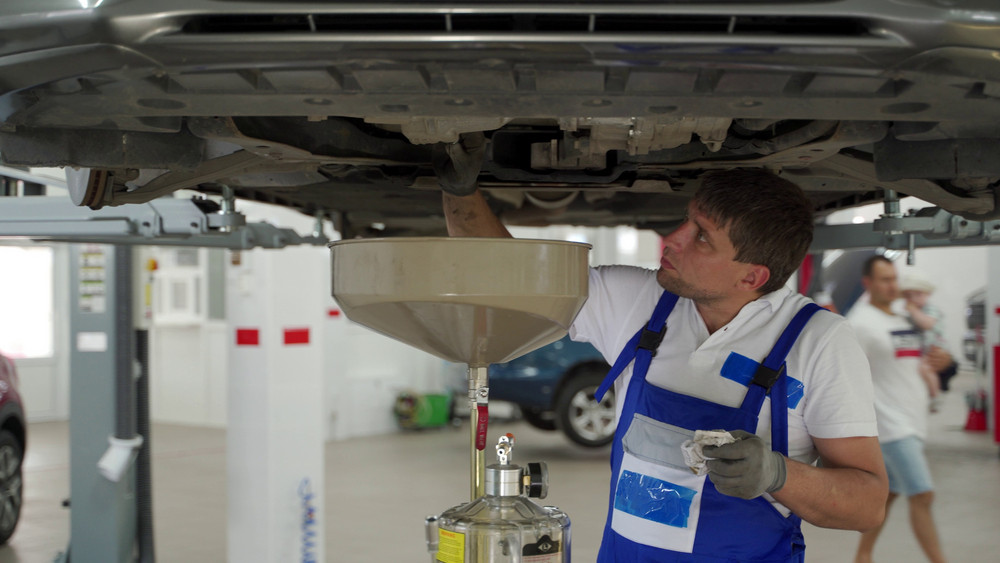
At the core of every internal combustion engine is the fluid that keeps it cool and lubricated. Without a constant supply of clean lubricants, the metal-on-metal contact within your cylinders would result in catastrophic failure in minutes. Over time, heat causes the chemical bonds in your lubricants to deteriorate, diminishing their ability to coat surfaces.
One frequently overlooked aspect of the fuel system is the quality of the fuel oil utilized and how it interacts with the internal components of the pump and injectors. By ensuring you use high-quality detergents and monitor levels, you prevent carbon build-up, which hinders efficiency. Developing a relationship with local auto mechanics is crucial because these professionals can detect subtle changes in fluid color or scent, indicating a failing gasket or a malfunctioning transmission long before a dashboard warning light illuminates. A professional inspection during routine service is invaluable for those seeking to avoid breakdowns on remote highways.
Check your levels weekly: Do not rely solely on the oil light indicator on your dashboard, as by the time it illuminates, the situation may have become critical. Instead, develop a habit of using the dipstick, which is a simple yet effective tool located on the engine.
Analyze the color: A healthy transmission fluid should be a bright red in color, signifying it’s in good condition. If you notice that the fluid smells burnt or has taken on an appearance similar to chocolate milk, it is a strong indication of a serious problem within the transmission system.
Coolant Flushes: Over time, scales and deposits can accumulate within the radiator, hindering its ability to effectively transfer heat. To combat this, it is advisable to perform a coolant flush every two years.
Brake Fluid: It is important to know that brake fluid is hygroscopic, meaning it has the tendency to absorb water from the environment. To maintain optimal brake function and safety, it is recommended to replace the brake fluid every 30,000 miles, ensuring that it remains uncontaminated and effective.
Advanced Mechanical Preservation and High-Torque Care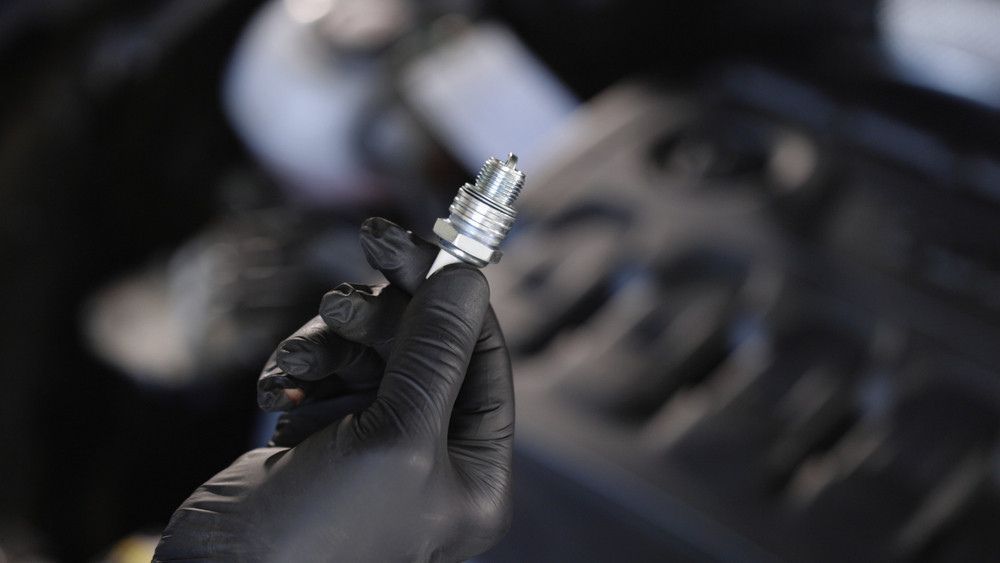
As a vehicle ages, the stress on internal components shifts. What is effective for a brand-new car might not suffice for a high-mileage engine. For many, this is when they consider trading the vehicle in, but with the correct technical intervention, the car can enter its “second life.” This stage involves more than just a tune-up.
The demands are even more significant for those driving heavy-duty vehicles or work vans. Regarding specialized truck repair, focusing on the cooling systems and heavy-duty suspension components is essential. Trucks often endure stop-and-go towing, which can shear lubricant viscosity faster than a standard sedan. If you treat a work truck like a commuter car, you’re inviting premature failure. Instead, anticipate these high-torque machines’ needs by shortening service intervals and using heavy-duty synthetic replacements.
Timing Belts: In “interference” engines, the pistons and valves share the same space, but at different times, thanks to the coordination provided by the timing belt. It is crucial to replace the timing belt diligently following the recommended intervals as specified in the vehicle’s owner manual. This preventive maintenance can help avoid catastrophic engine damage and costly repairs.
Spark Plugs: Modern iridium spark plugs are designed to last up to 100,000 miles due to their durable composition, which is resistant to wear. However, it is wise to inspect them every 50,000 miles. The condition of the spark plugs—such as their color and any deposits—can reveal clues about how effectively your engine is running. This proactive approach can help in identifying potential issues before they escalate.
Vacuum Lines: Over time, the rubber materials that make up vacuum lines can become brittle and crack, leading to leaks. These small leaks are often the culprits behind mysterious idling issues and can affect overall engine performance. Replacing a mere $20 worth of hoses can resolve these problems, ensuring your vehicle runs smoothly.
Differential Service: Many vehicle owners forget to perform maintenance on the differential, which involves changing the gear oil. This oil lubricates the gears, reducing wear and preventing the whining and grinding noises that can come with age and usage. Regularly cleaning and changing the differential gear oil can prevent premature wear and prolong the life of this important component, ensuring a quieter and smoother ride.
Preserving the External Shell and Structural Safety
A vehicle in perfect running condition but covered in rust is ultimately unsafe. The structural integrity of the frame and the clarity of the glass are as crucial as the pistons’ health. Environmental factors like road salt, acid rain, and UV rays constantly degrade the plastics, rubber, and steel constituting your car. The key to longevity here is “sealing.” By keeping the metal sealed with wax and the rubber sealed with protectants, you halt oxidation.
Another area is glass, where small issues can turn into large expenses. A tiny chip from a highway pebble, due to temperature fluctuations, can expand into a crack spanning across the dashboard. Seeking prompt windshield repair when you notice a “bullseye” or “star” can save you the hundreds of dollars needed for a full camera-calibrated glass replacement. Utilizing professional auto body repair services to fix minor dents or scratches prevents rust from forming on exposed metal and keeps resale value high, making the vehicle worthwhile for the long term.
Undercarriage Washes: When winter arrives, roads are often treated with salt to manage ice and snow. It’s highly recommended to spray the underside of your car at least once a week during these cold months. A thorough undercarriage wash helps in removing salt and other debris, preventing rust and corrosion which could lead to costly repairs in the future.
Headlight Restoration: Over time, car headlight lenses can become foggy or cloudy due to exposure to the elements. This deterioration significantly impacts safety by reducing nighttime visibility by up to 70%. Restoring the clarity of your headlights is often achieved through a process of sanding, polishing, and applying a UV-resistant clear coat.
Door Seals: The rubber seals lining your car’s doors serve a vital function – they keep water, air, and dirt from entering your car’s interior. To maintain their effectiveness and flexibility, apply a silicone spray to these seals twice yearly. This regular maintenance helps prevent the rubber from drying out, cracking, and potentially leading to leaks.
Drain Holes: Drain holes in your car are strategically placed to allow water to escape from the doors and sunroof tracks. If these small but critical pathways become blocked by debris, water can accumulate and lead to rust, rot, or mold issues. Regularly check and clean these drainage channels to ensure they remain clear, allowing water to be effectively channeled away from your car.
The Psychology of the Proactive Driver
Ultimately, the secret to a long-lasting car is the owner’s willingness to listen to the vehicle. A car communicates with its owner through vibrations, smells, and sounds. A slight pull to the left during braking, a faint maple syrup scent (coolant leak), or a new squeak when going over bumps are all indicators to investigate. Ignoring these signs is the quickest path to transforming a simple auto repair into a costly multi-thousand-dollar nightmare. Addressing issues when they’re small is essentially “purchasing” miles at a discount.
Finding a trustworthy shop is the final puzzle piece. You don’t always need a dealership; a dedicated local shop specializing in car repair can often provide more personalized service at a lower labor rate. Consistency is critical. If you take your vehicle to the same technician every time, they become familiar with its quirks. They will know you replaced the alternator last year and that the tires are nearing the end of their life, allowing them to provide a maintenance roadmap rather than just reacting to the crisis of the day.
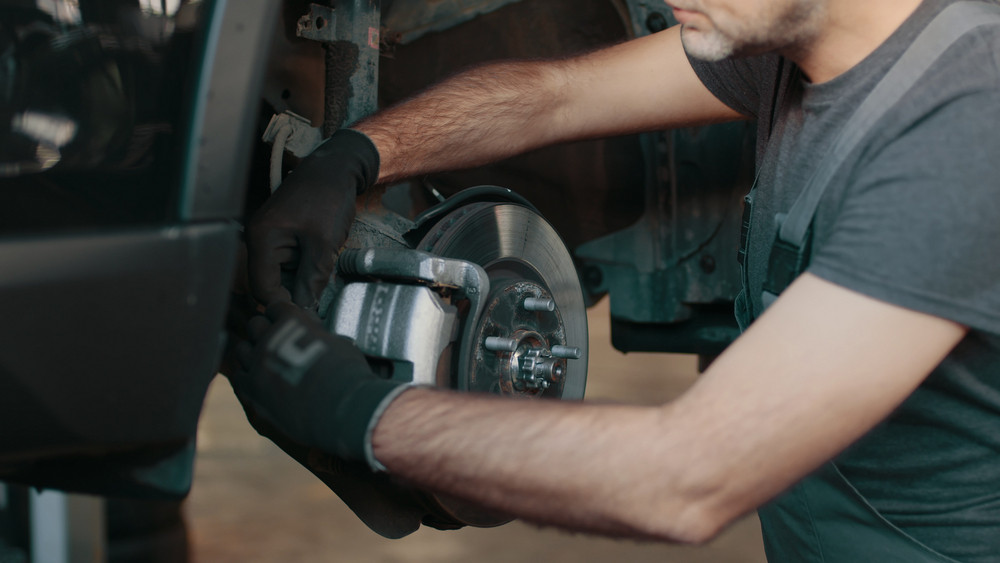
Pay Attention to Brakes: As you drive, be vigilant for any unusual sounds, especially when you apply the brakes. A high-pitched squeal is often a telltale sign that your brake pads are worn and in need of replacement. Regularly checking and promptly addressing any issues can prevent more severe, expensive problems, ensuring that your braking system remains reliable and effective.
Regular Tire Rotation Every 5,000 Miles: Tires are the sole point of contact between your vehicle and the road, greatly influencing your car’s performance and safety. Rotating your tires every 5,000 to 6,000 miles is a recommended practice that ensures even wear across all tires, thereby enhancing their longevity and performance. Uneven tire wear can lead to issues such as decreased fuel efficiency, a rougher ride, and compromised vehicle handling, which can all contribute to safety concerns.
Ensuring Battery Health: The car battery typically lasts between 3 and 5 years, though this can vary based on usage patterns and environmental conditions. Regular battery maintenance, particularly testing in colder months, is vital. By performing regular checks and replacing your battery as needed, you can ensure reliable performance and avoid the inconvenience of a dead battery on a cold day.
Stay Alert to Cabin Air Filter Health: The cabin air filter plays a critical role in maintaining this air quality by trapping dust, pollutants, and allergens. Over time, this filter can become clogged, forcing the HVAC system to work harder and reducing its efficiency. Regularly changing the cabin air filter ensures clean airflow into the cabin and protects the HVAC system from overload.
Financial Strategies for Long-Term Ownership

Maintenance goes beyond wrenches and grease; it’s also about the financial frameworks you establish to protect your asset. Many drivers view their premiums as a sunk cost, but a savvy owner knows that their relationship with their auto insurance company can affect the quality of repairs. When an accident occurs, you want a policy that supports high-quality parts instead of the cheapest available alternatives.
Understanding the specifics of your automobile insurance plan is vital; for example, does your plan provide “gap coverage” or “new car replacement” if the vehicle is totaled, or does it offer “OEM parts” riders to ensure your long-term maintenance efforts aren’t undermined by sub-standard post-accident parts? Additionally, maintaining a meticulous service record is a financial asset. If your vehicle is ever part of a claim, proving it was in impeccable mechanical condition can help negotiate a higher valuation. An insurance adjuster sees a 10-year-old car as a liability; a maintenance logbook demonstrates a well-preserved investment. This documentation also aids if you decide to sell, as buyers are willing to pay a premium for a car with a documented history of care.
Financial Tip: Create a “Car Fund” savings account. Deposit $50 monthly. When a $600 repair arises, it won’t become a financial emergency, reducing the temptation to ignore the problem until it worsens.
Extending a vehicle’s life requires patience and attention to detail. It necessitates a fundamental shift in perceiving our technology relationship. Instead of viewing a car as a temporary tool to be used until it breaks, we should consider it a complex system thriving on consistency. By maintaining fluids, addressing mechanical wear early, protecting the exterior from the elements, and managing ownership’s financial aspects, you can enjoy a vehicle that remains safe and reliable for hundreds of thousands of miles.
